Fear of the Empty Page

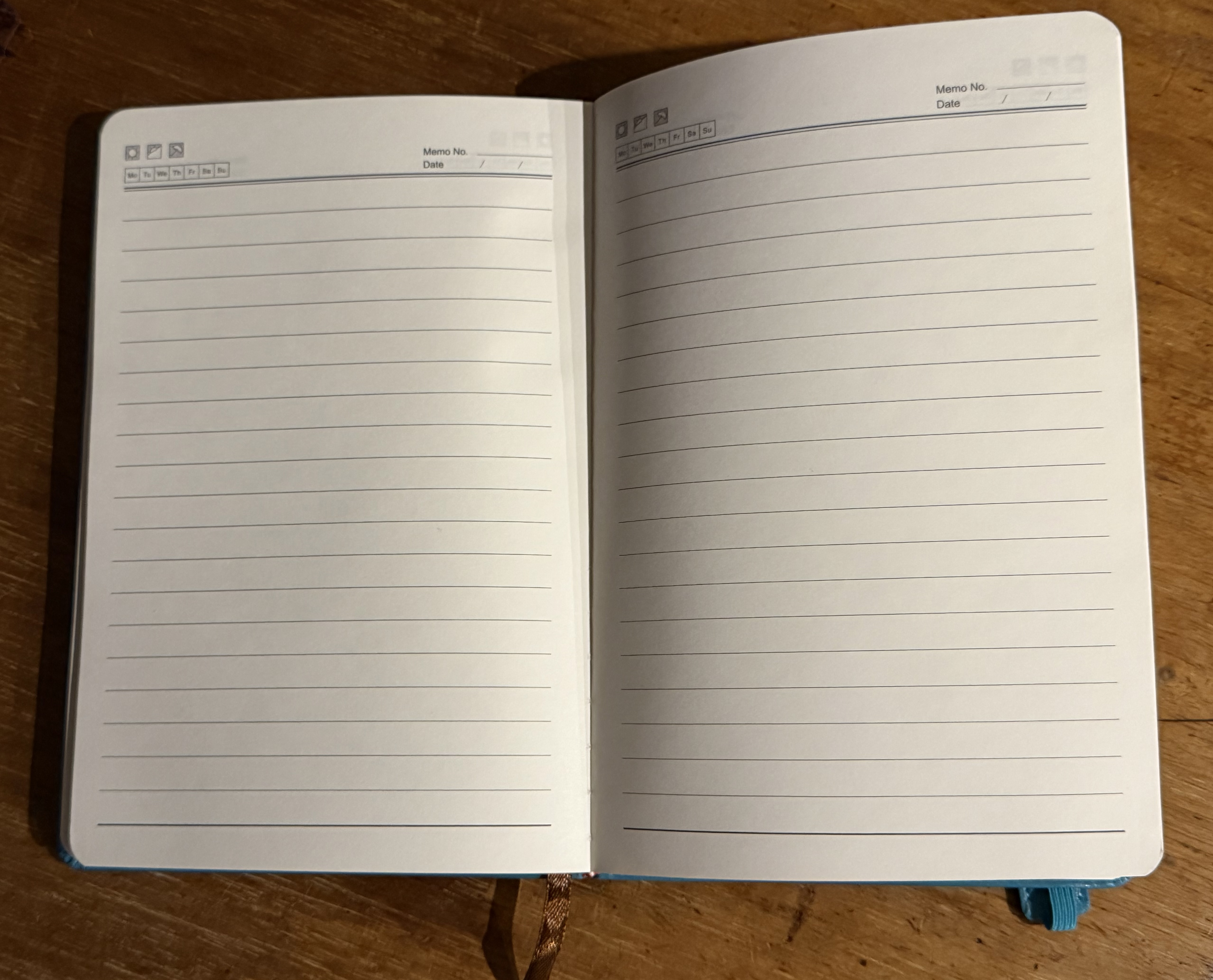
There are times when nothing comes to mind to write about. The standard advice is to write anyway. Write whatever comes to mind, in a stream of consciousness. I once gave that advice to a group of ten to twelve-year-old students as they sat looking at the blank pages of their exercise books. I wanted them to keep a journal at school, simply to get used to putting pen to paper without judgment or fear of being marked incorrect.

My students did not grow up seeing people write. Their parents texted on their phones or wrote shopping lists, but not much else. I suppose that is true for most of us. We no longer write letters, and our emails tend to be written at work. Unless a person is studying or loves writing for its own sake, there is little need to compose longer pieces of text.

‘I don’t know what to write about,’ was a common cry. There was no point in telling my students they could write about anything, because that was too broad. Eventually, I told them they could recount something that had happened to them or describe what was happening around them. As you may guess, this led to some boring writing.

I persisted, and so did they. When they were writing, so was I. Their stamina grew, and eventually they could write for fifteen minutes and fill half a page. Sure, there were spelling mistakes, syntax errors and paragraphs that did not make much sense, but they were writing. The fear of the empty page receded. I began to see sensory descriptions, direct speech, and even some little stories of their own. I initialled and dated their entries, and kept my promise never to correct them.

Of course, this wasn’t their writing lesson for the day. That happened at another time, with an altogether different purpose. But in the long run, the two writing sessions influenced each other. Free writing improved their stamina, and the formal lessons improved their technical skills. They learnt what all writers know: the craft of writing is a muscle that needs regular exercise.
End of holiday blues

A six-week holiday is a luxury not many of us can afford. I took some extended leave so I could downsize, declutter, and pack before my interstate move. I was busy for the first three weeks and then time began to slow down to almost a standstill. Suddenly, there was very little to do until the last couple of days when things ramped up once more. And now that I am on the other side of the state border, there are dozens of things to organise, but now I have run out time.

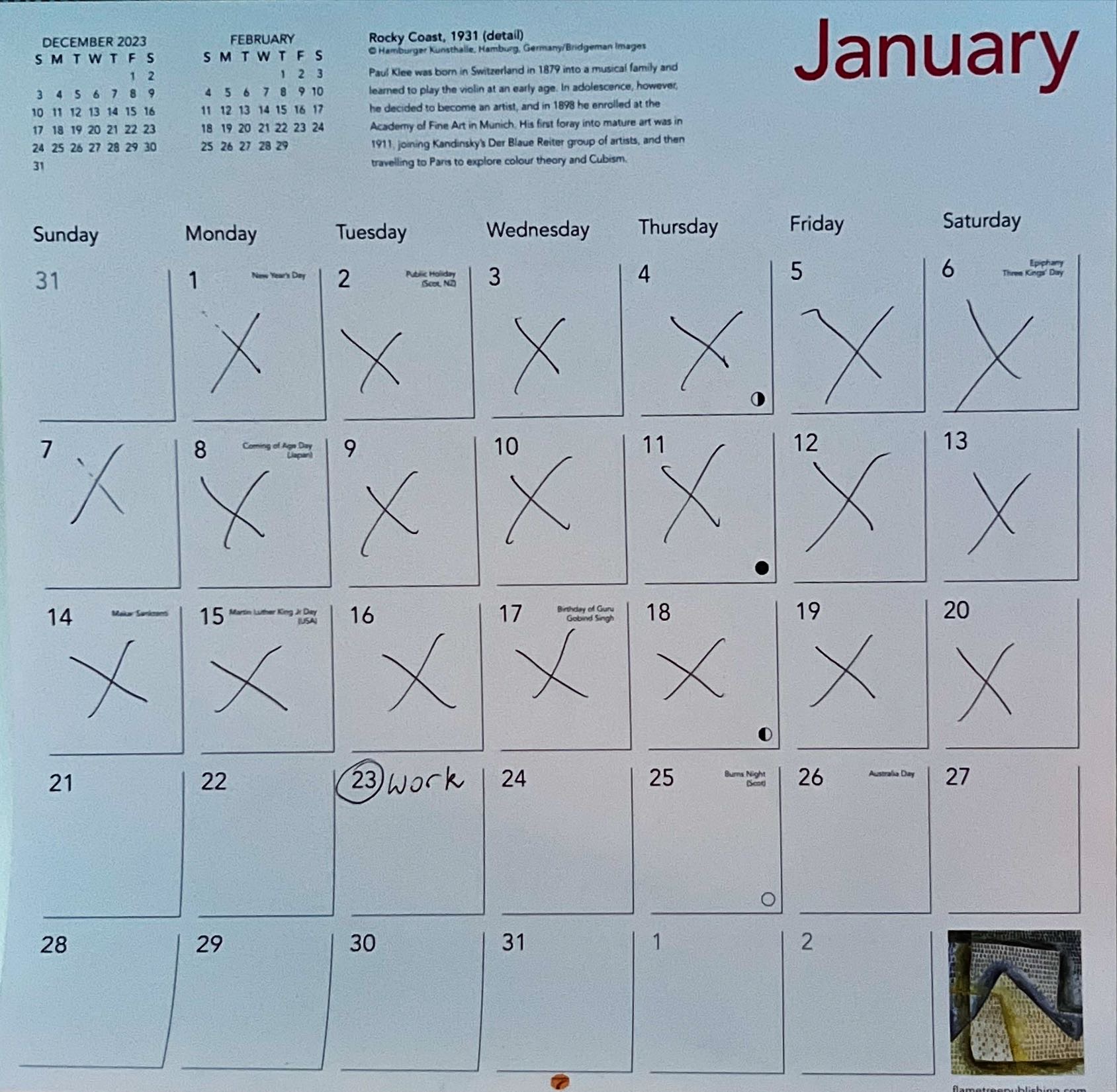
I go back to work on Tuesday. It was a deliberate choice not to start on Monday. I knew I’d need that extra day. The electrician is coming at 8:30, I have parcels to collect and errands to run. The year has well and truly started, and that holiday feeling is but a fast-fading memory. Why does it always end so quickly?

Everything is gathering speed like a snowball about to become an avalanche. No matter how fast I run, I can’t get out of its way. There are now only two days left and I am caught between wanting to relax before work becomes all-consuming and wanting to get as much done as possible. Neither side seems to be getting traction.

Instead, I am plagued by anxiety dreams. They all take place at schools but not any school I recognise. I am either in charge and unable to make cogent decisions or I am in front of a class without planned lessons trying to control unruly students. In these dreams I forget to turn up for playground duties; my students miss their buses and I’m often the last one to arrive to class. This may sound as if I am plagued by anxiety, but if you talk to teachers at the start of a new year, many will have had similar dreams. I’m sure other professions have their own versions of these dreams.

It is not that I dislike my job. Far from it. There are many aspects I enjoy, like going into schools to work with teachers. One of the best things is watching teachers grow in confidence when they implement pedagogical changes, especially when they were sceptical or downright antagonistic at first. Not that I always succeed but when I do, it is magic.

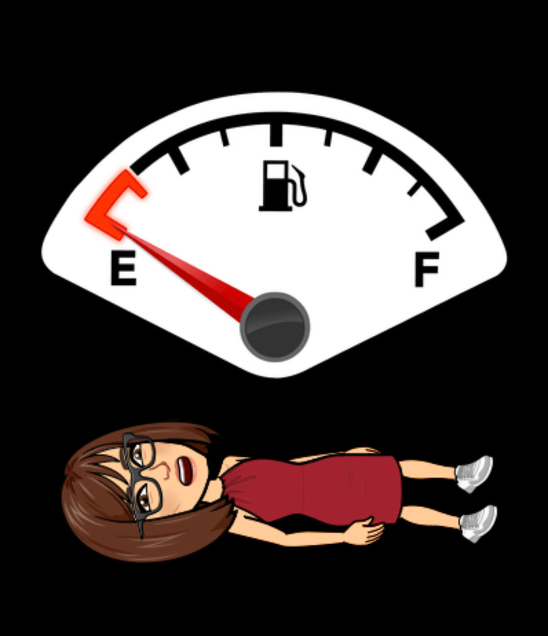
So here I am with two days to go. I have a book I’d like to finish reading, boxes to unpack and I am longing for a lengthy walk amongst trees to replenish my soul. Instead, I fall asleep in my armchair, exhausted. I walk the dogs in the summer heat and return with a renewed determination to tackle whatever lies ahead. I remind myself of what Bob Marley wisely said, ‘Beginnings are usually scary, and endings are usually sad, but everything in between – that makes it all worth living.’

School holidays

For many years as a teacher, I lived my life in ten-week blocks. The first few weeks of term were always crazy busy as I wrote programs, prepared for extra-curricular activities and of course faced the day-to-day challenges of teaching up to 30 children. During the term, very little was done on the home front except for cooking, shopping, washing, and keeping a basic level of hygiene around the house.  Everything else was put on the backburner until ‘the holidays.’ Inevitably, when those two weeks arrived, the first week was spent in a stupor on the lounge. The best I could do was to finally read a novel or two. The second week, I madly spent tidying up and trying to get ready for the term. At the end of the year, during those blissful five weeks off, I would finally relax and wonder how I would ever ramp up again to face a new year, but I somehow, I did.

For the past four years I have been in the privileged position of mainly working from an office and going into schools assisting teachers with improving their students’ literacy. I have set lunch breaks, can make a cup of tea whenever I want, I have weekends off, and rarely bring work home. It is the closest I have come to a ‘work-life-balance.’ My heart goes out to the teachers in front of classes who must cope with the pressures of teaching, the increasing burden of admin and the expectation to constantly improve their practice. Whenever I am in schools, I do my utmost to help teachers in ways that don’t increase their already unsustainable workload. I have not forgotten what it is like at the chalkface.

These school holidays, I am taking a week off to see my sister, elderly mother-in-law, and my daughter. That’s quite a bit in a week, especially as I will travel several hundred kilometres. When I get home, I will be going straight back to work, and everything will be left in the state that it was in before I left. But unlike my colleagues at school, I know it will only take me a weekend to catch up. So, these school holidays, spare a thought for teachers who have not only finished a long term of teaching but have also written reports, had parent-teacher interviews, spent hours on playground duty and are now preparing for the term ahead. I have nothing but admiration and respect for everything that teachers manage to accomplish.