
Fear of the Empty Page

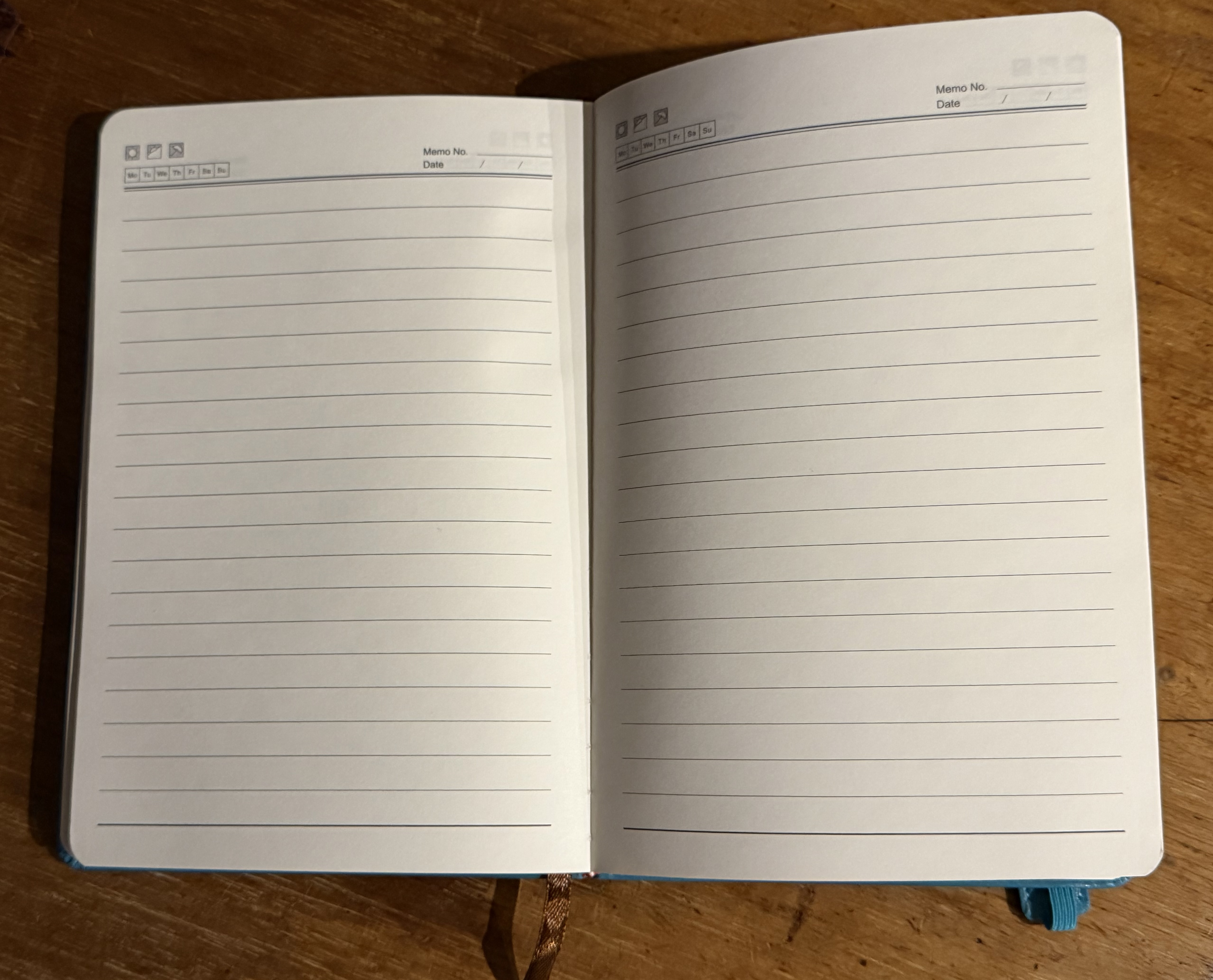
There are times when nothing comes to mind to write about. The standard advice is to write anyway. Write whatever comes to mind, in a stream of consciousness. I once gave that advice to a group of ten to twelve-year-old students as they sat looking at the blank pages of their exercise books. I wanted them to keep a journal at school, simply to get used to putting pen to paper without judgment or fear of being marked incorrect.

My students did not grow up seeing people write. Their parents texted on their phones or wrote shopping lists, but not much else. I suppose that is true for most of us. We no longer write letters, and our emails tend to be written at work. Unless a person is studying or loves writing for its own sake, there is little need to compose longer pieces of text.

‘I don’t know what to write about,’ was a common cry. There was no point in telling my students they could write about anything, because that was too broad. Eventually, I told them they could recount something that had happened to them or describe what was happening around them. As you may guess, this led to some boring writing.

I persisted, and so did they. When they were writing, so was I. Their stamina grew, and eventually they could write for fifteen minutes and fill half a page. Sure, there were spelling mistakes, syntax errors and paragraphs that did not make much sense, but they were writing. The fear of the empty page receded. I began to see sensory descriptions, direct speech, and even some little stories of their own. I initialled and dated their entries, and kept my promise never to correct them.

Of course, this wasn’t their writing lesson for the day. That happened at another time, with an altogether different purpose. But in the long run, the two writing sessions influenced each other. Free writing improved their stamina, and the formal lessons improved their technical skills. They learnt what all writers know: the craft of writing is a muscle that needs regular exercise.
Unsolicited Advice

I’ve just returned from a trip down south to see my sister. We haven’t seen each other often in the past thirty years, in part because of the long distance between us, and in part because we have been busy with our own lives. Lately, she hasn’t been well at all, and I knew she was looking forward to my company.

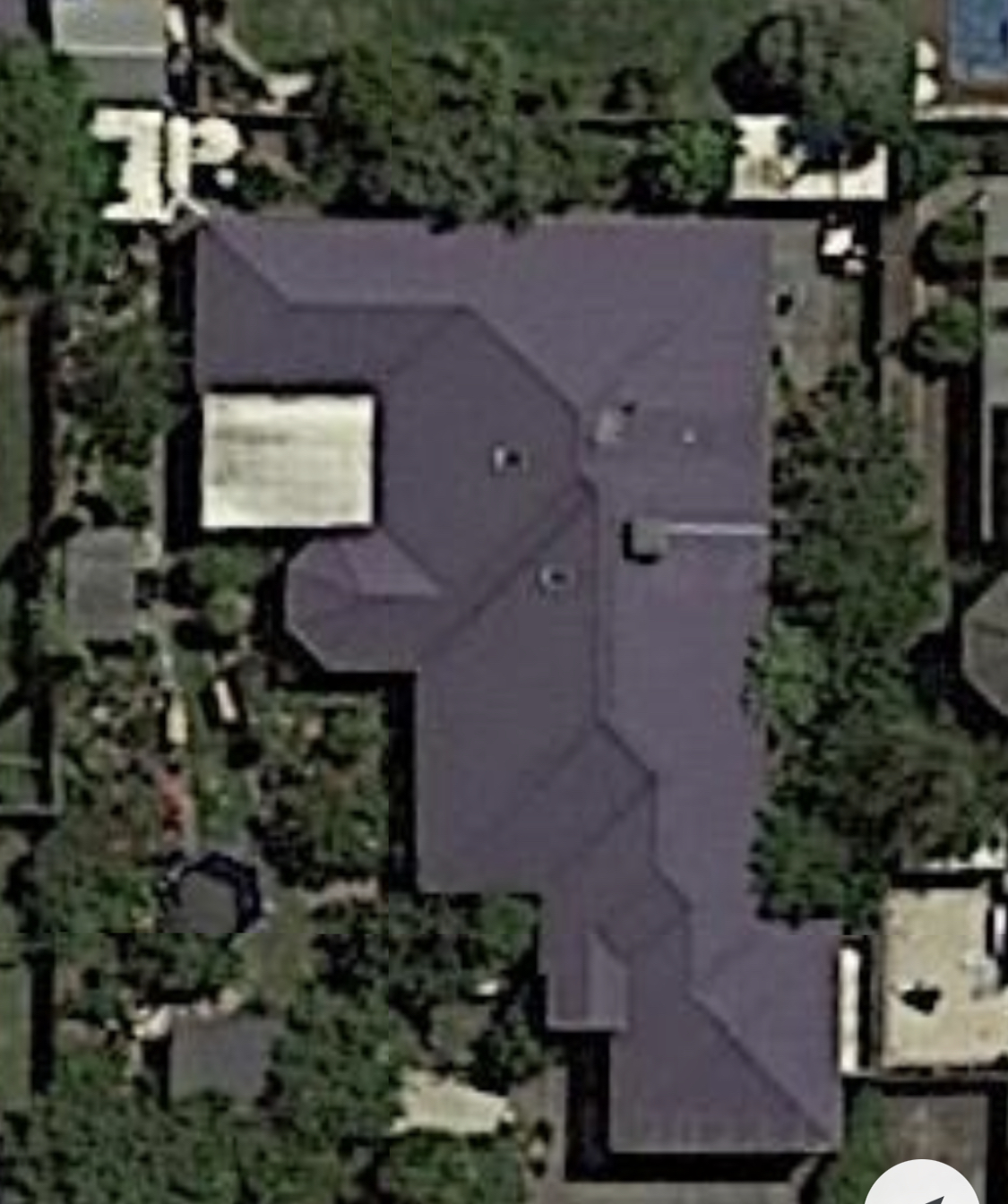
My sister lives alone in a substantial three-bedroom house which has an additional formal lounge and dining room as well as a study. She keeps the whole back section of the house closed off to save on heating and spends most of her time in either her bedroom, eating alcove or family room. She is surrounded by a lifetime of memories, enormous collections of blue and white china and heavy wooden furniture that fill the sizable rooms. Once a keen gardener, her backyard is overgrown and inaccessible, especially now that she has great difficulty walking unaided. It was hard for me to see the enormity of what faced her day in, day out.

While out for dinner at her son’s place, she brought up the subject of the upkeep of the house and garden. Would he be able to come and prune the trees and weed the garden? Maybe even paint the house sometime? I immediately knew this wasn’t a viable solution. My nephew works full-time, has his own family and a house to maintain and certainly doesn’t have the hours on the weekend to do it all.

I had brought it up in conversation before, but it seemed like the perfect time to say it again. The house is simply too big for her to manage, and she ought to sell and downsize. Unbidden, my advice fell on deaf ears. When my nephew joined in with the many advantages this would offer, she picked up her bag, tried to rise from the chair and said, ‘Let’s go!’

I didn’t respond. I let her calm down, changed the topic and enjoyed our dessert. I wasn’t going to let this outburst spoil an otherwise enjoyable evening.

I stayed with her for another couple days before heading home. I never broached the subject again. I still worry that she will have yet another fall and that no-one will be there to call an ambulance. I’m concerned about her heating costs and her steep driveway which most days keeps her marooned in the house. But I also acknowledge that it isn’t my decision to make.

The saying ‘Don’t let anyone who hasn’t been in your shoes tell you how to tie your laces,’ echoes in my ears. I realise I’ve been treading that fine line between concern and meddling.