The Power of Small Conversations

A deliberate effort to engage in conversations with strangers has enriched the past week in ways I would never have predicted. Each encounter, however small, stayed with me and made me think more deeply about the inner lives of people we rarely come to know.

Lining up at the chemist, I heard the woman say, ‘I’m such a luddite.’ I couldn’t help myself. ‘Do you know the history of the Luddites?’ I asked. She did, and we had a slightly conspiratorial conversation about the Industrial Revolution and the loom weavers who sabotaged machinery, some by throwing wooden clogs into the works. We walked away with a hint of mischief between us.

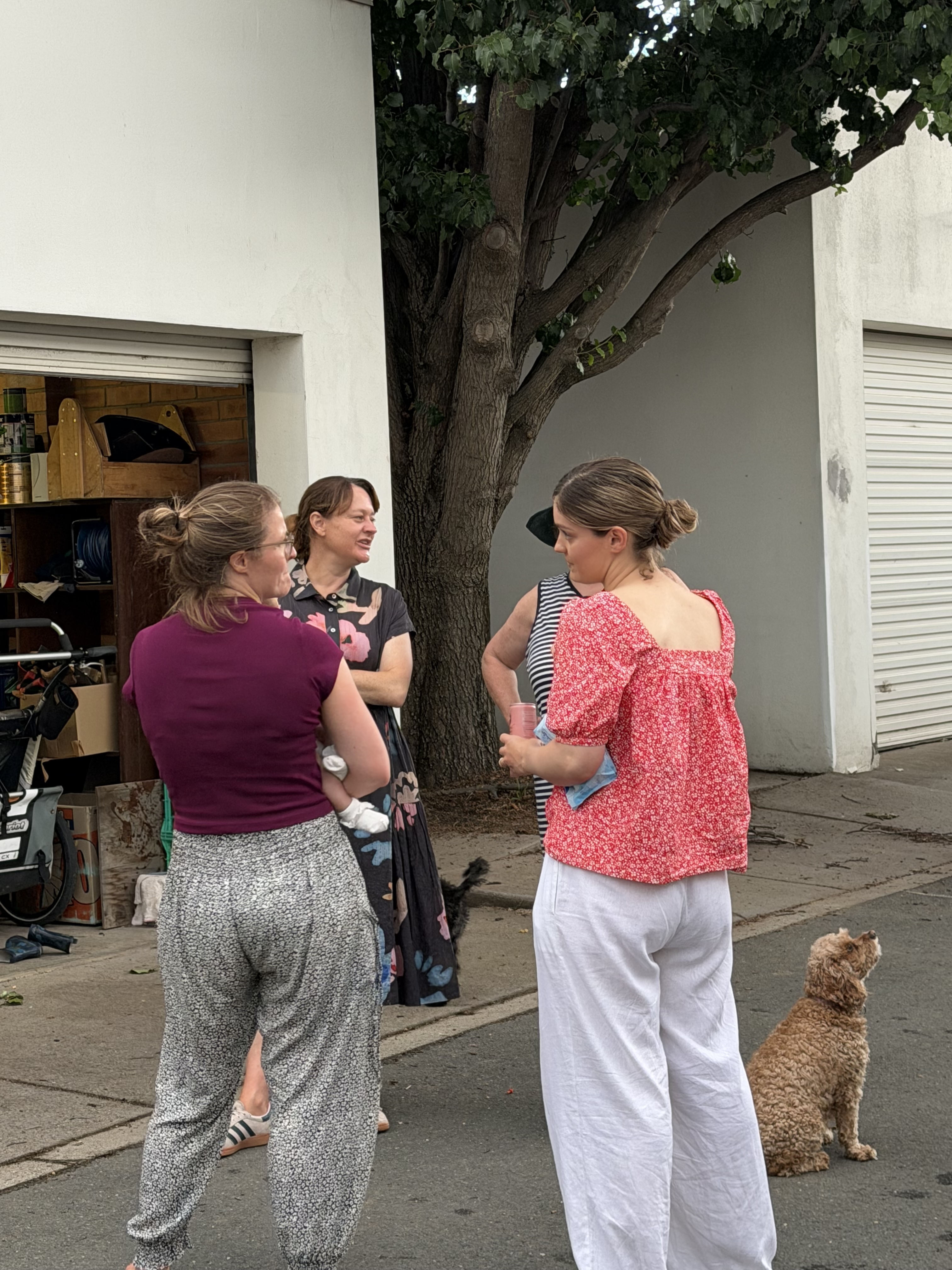
While walking the dog, a woman I vaguely knew said hello. ‘I haven’t seen you for a while,’ I said. ‘I’ve had some surgery and I can’t do much exercise until it heals,’ she replied. She then told me about her nightmare of having to remove breast implants and how she wishes she could warn young women about the very real dangers that can follow. It was a completely honest conversation that allowed her to be vulnerable with someone she didn’t know. She acknowledged her insecurities had led her down the path of cosmetic surgery and recognised that the only person who benefitted was the surgeon. It takes guts to be this brutally honest, and I don’t even know her name.

Later in the week I braved the city mall to replace my phone’s screen protector. It had been shattered for months. At the Apple Store I was greeted by a woman in her thirties who asked about my granddaughter and then started to tell me about her own family. She spoke about the complexity of the feelings she experienced leaving her two-year-old after returning to work. She seemed to recognise in me an older woman who would understand the inner conflict she was navigating. We chatted while she fixed my phone and by the time I left, we had established a real human connection that is rare to come across.

Today I went to explore an upmarket second-hand clothing store at an Anglican church. They were having a 50% off sale I had read about in Region Canberra. I found three items and when I went to pay, I struck up a conversation with one of the volunteers. They were making room for winter stock and needed to clear the leftover summer items. She explained that the summer clothes would be sent to Maningrida, in West Arnhem Land. ‘I’ve been there!’ I exclaimed. This was all that was needed for her to tell me about hosting a young Aboriginal woman from Maningrida for a week. Years later, she still remembered her with great fondness.

Each of these encounters reinforced our shared humanity. We participated in telling authentic stories that made our experiences feel valuable. As people, we make sense of the world through our stories. We create empathy by sharing what matters to us. When used in this way, stories serve to unite us.

Perhaps this is our superpower.

Red Plaits, Freckles and a Dash of Mischief

The first Children’s book week took place in Australia in 1945. Every year since then, children participated in book week parades, dressing up as their favourite character from a book. This year is especially significant as we celebrate 80 years of encouraging children to immerse themselves in books and find novel ways (pun intended) to engage with reading.

The Children’s Book Council of Australia confers awards to authors and illustrators of outstanding children’s books published in the past year. The ‘long list’ or notable books is announced around February, followed by the ‘short list’ from which the finalists are selected. The books that receive prizes often become best loved classics with children.

Book week parades started out with simple home-made costumes and a lot of imagination. Today, parents can spend a small fortune on costumes, wigs and accoutrements. My favourites, however, remain the simple imaginative costumes. If I could have given a prize this year, it would have gone to a little boy at my school who wore rainbow stockings, a long t-shirt, a hand-sewn felt snake’s head and a crocheted blanket made of colourful granny squares. He was the rainbow serpent! Second prize would have been awarded to the girl in leotards with underpants over it. She was ‘Captain Underpants!’

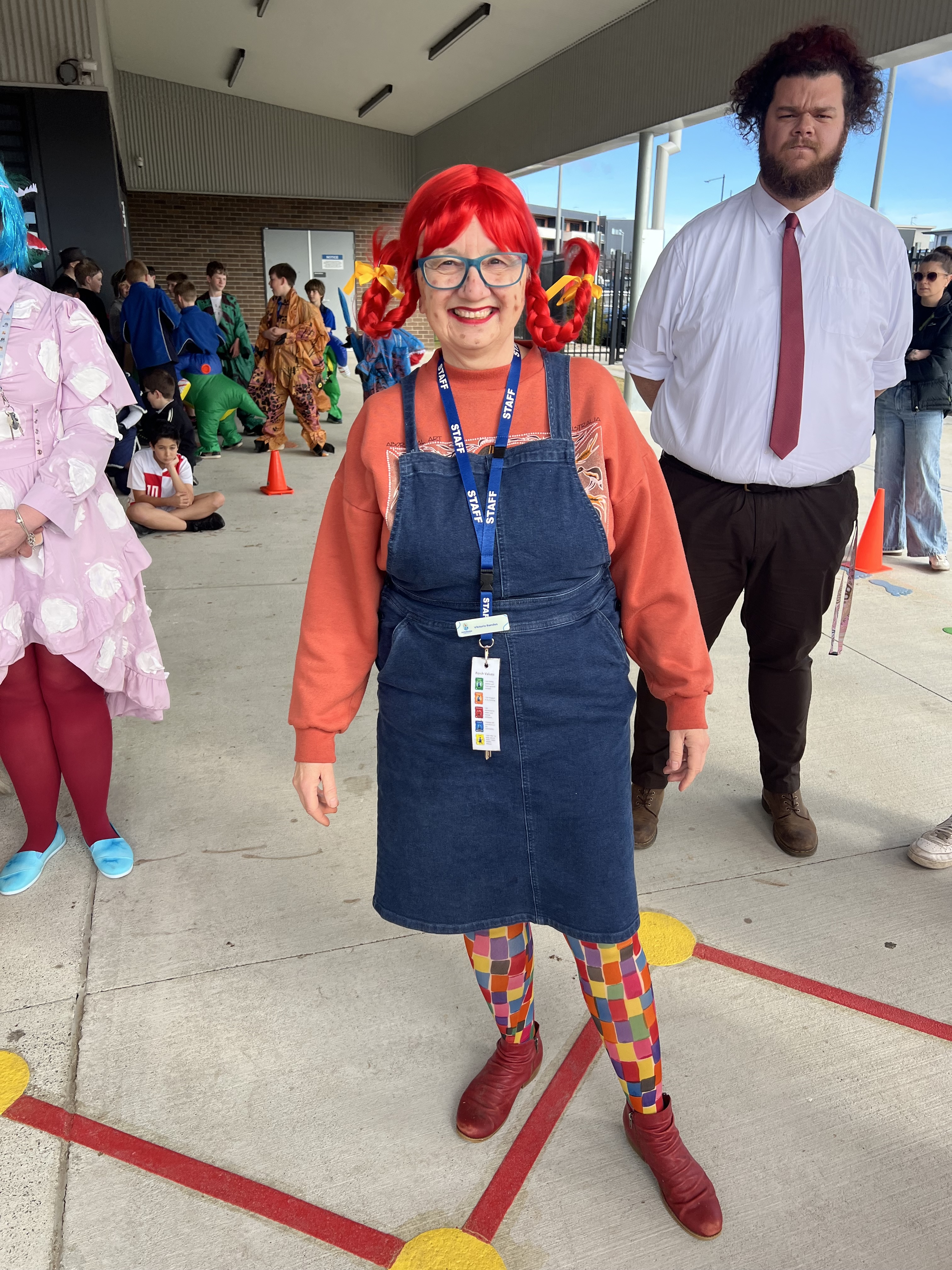
Teachers almost always join in the fun with costumes of their own. My go to is Pippi Longstocking because she was my childhood favourite character. This year, the book turned 81, a year older than the CBCA celebrations. I loved and envied Pippi. She lived on her own in Villekulla cottage in Sweden with her monkey and horse as company. Her father was a pirate and there was little mention of her mother. She was superhumanly strong, lived by her own rules and adults had no power over her, no matter how hard they tried. Recently, I was amused to read that she has been pathologised- it is now thought that she had ADHD and oppositional defiance disorder traits!  I couldn’t help but laugh at this. Are we about to prescribe her Ritalin?

There definitely is a bit of Pippi in my genes. I think that’s the genius of Astrid Lindgren, her creator. Every child has a little Pippi in them wanting to come out. Some manage it better than others. Of course, our job as adults is to keep the lid on the shenanigans and keep children from jumping off roof tops or attempting other dangerous things. Still, the yearning is always there to break free.

So once again, I embraced my inner Pippi and drove to school with my red plaits, multicoloured stockings and painted on freckles. The only downside was that the teachers recognised who I was but none of the children had ever heard of the one and only Pippilotta Delicatessa Windowshade Mackrelmint Ephraim’s Daughter Longstocking.