After my sister died, my niece found a large box of papers relating to my mother. She promised to keep it aside for me. I decided to drive to Melbourne during the school holidays and collect the box. I thought I was ready for whatever awaited me.
When I opened my Pandora’s Box containing documents and photos relating to my mother’s life, I felt the equilibrium I had guarded so carefully begin to falter. Feelings of confusion and unease came at me like a dust devil. My first reaction was to shut the lid quickly and contain the storm. Even imagining what might be inside began to wreak havoc with my mind. Without realising, my mother’s curse from when I was sixteen made me not want to touch the contents. Her words flooded back, ‘remember this for as long as you live. I curse every single object I have ever touched.’ Yet I knew I had to face whatever the box contained and I would do so in my own time. What I knew for certain was that I would not be taking the box home with me. If I did, I might never find the courage to open it again.
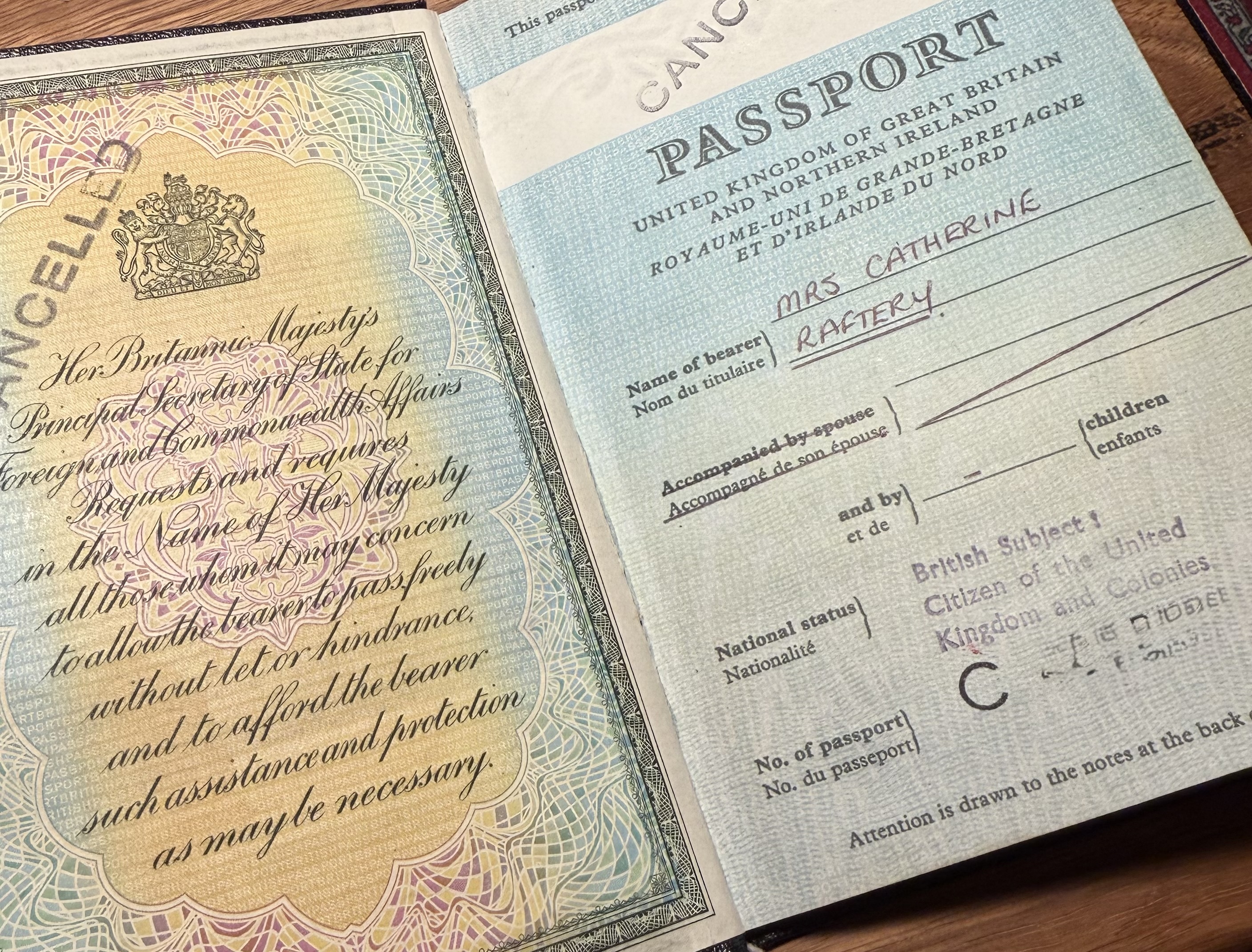
The square, floral box contained the paltry remnants of her life. Expired British passports in the name of Catherine Raftery, dozens of letters from a friend called Edith who lived in Austria but wrote in Hungarian, psychiatric reports that contributed to the State Trustees taking charge of her affairs as her guardian, and a photo album in which the only person I recognised was my mother growing older as I turned the pages. None of it made sense to me. What was I expecting? A photo album with pictures of myself, my sister and my father? She had remarried, travelled the world, lived on a farm for a while until her husband died. Then she spent the last eight or so years living with my sister, where she is remembered for often being drunk and argumentative. She died when she was 89 years old. I had been in her life for no more than ten or eleven years.
The psychiatric reports make for some interesting reading. My mother gave different versions of her life prior to meeting Patrick Raftery. In 2005 in a psychiatric report my mother stated that ‘her husband [my father] became involved in drug use and committed suicide in 1975. She was distressed by his death.’ Then, ‘she remained in contact with her daughters by letter.’ Neither statement is true, and the date my mother gave for my father’s death was wrong too.
In 2007, a psychiatrist stated that ‘Mrs Raftery’s account of her background was at times difficult to follow.’ This time, my mother claimed that she moved to Austria and then to Australia in 1971 with her daughter Palma. She then married again in 1977. In this version, there is no mention of my father or me. The psychiatrist also stated that ‘Mrs Raftery denies symptoms of depression, anxiety, elevated mood and psychosis.’
Marrying Patrick Raftery not only gave my mother a new name but also gave her access to the European Union through her British passport before Brexit. She could travel back to Hungary and stay for as long as she pleased. She may have lived in Australia but her identity remained firmly Hungarian.
My roots have always been more complex. My parents were refugees from Hungary, a place they called their homeland, but I was a refugee in my birth place and every place I have lived since. I became an Australian citizen when I was 18, but it took many more years to grow into myself and find my own way of being in the world. A passport could make me a citizen, but by itself it wasn’t enough to bridge that no man’s land in my heart. Perhaps that is why I think so often about what it means to belong.
Today, at the Canberra Writers’ Festival, I heard a striking answer to that question from Ian Hamm, an eminent Yorta Yorta man from Shepparton. When asked, ‘What is one good thing about being Aboriginal?’ he answered, ‘I know where I belong,’ or maybe he said, ‘I know I belong.’ He uttered these words with unshakable confidence, even though he is a survivor of the Stolen Generation. Belonging to his Country and his People is an ancestral inheritance that no one can take away from him. There is a profound beauty in that surety of belonging. His answer took my breath away. It filled me with a deep reverence and quiet longing.
I never carry cash. As a result, I don’t even carry a purse. I do have one but it stays at home like some relic from the past. Yet I remember never leaving the house without one in my handbag or back pocket. My father, a leatherworker, made my purses and handbags throughout my teens. They were always prized possessions. He never let me leave the house without a coin in my purse. It was his way of keeping me safe.
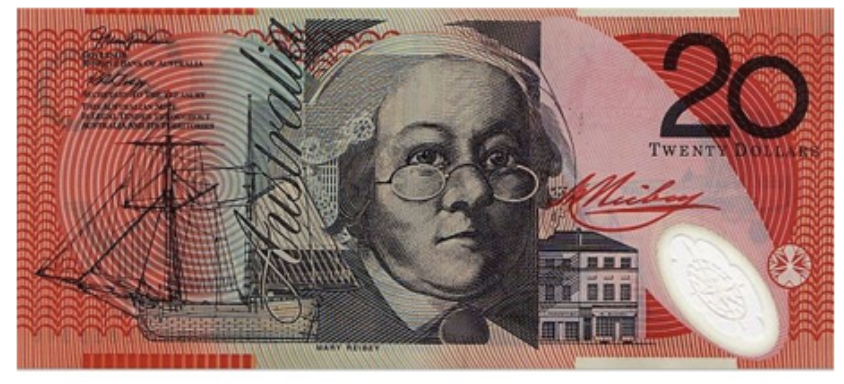
Today, I met a friend who asked me to buy her a newspaper. She gave me a twenty dollar note which I really didn’t want to take but she insisted. Carefully, I put it in the pocket of my sweatshirt. As I walked, I kept putting my hand in the pocket to feel for the note. As I neared the shop, I felt uneasy and decided to move the money to another pocket for safekeeping. For once I listened to that insistent inner voice.
At the cash register, I went to fish out the twenty-dollar note. It wasn’t in the pocket. I had lost the money! My first reaction was to feel foolish. Why did I move it from the pocket where it had been perfectly safe? Why did I listen to that insistent inner voice? Then, a far more rational thought calmed me. What difference would that twenty dollars make to how I live this day or even the week ahead? The impact was negligible. It was annoying but no great loss.
Many years ago, when I had nothing, finding even a five-dollar bill would have felt like a miracle. I remember taking a tram to a job interview with 40 cents in my pocket. That was the price of the one-way ticket. After the interview, I walked the eight kilometres back home in shoes I had borrowed from a friend. It took me longer than two hours. My feet blistered, and every step was agony. Wistfully, I watched the trams rattle past me.
I look back at that young girl with compassion and would love to let her know that one day she would no longer have to count her pennies. Today I hope with all my heart that someone in need has found that money and that it will feel like a small miracle come true.
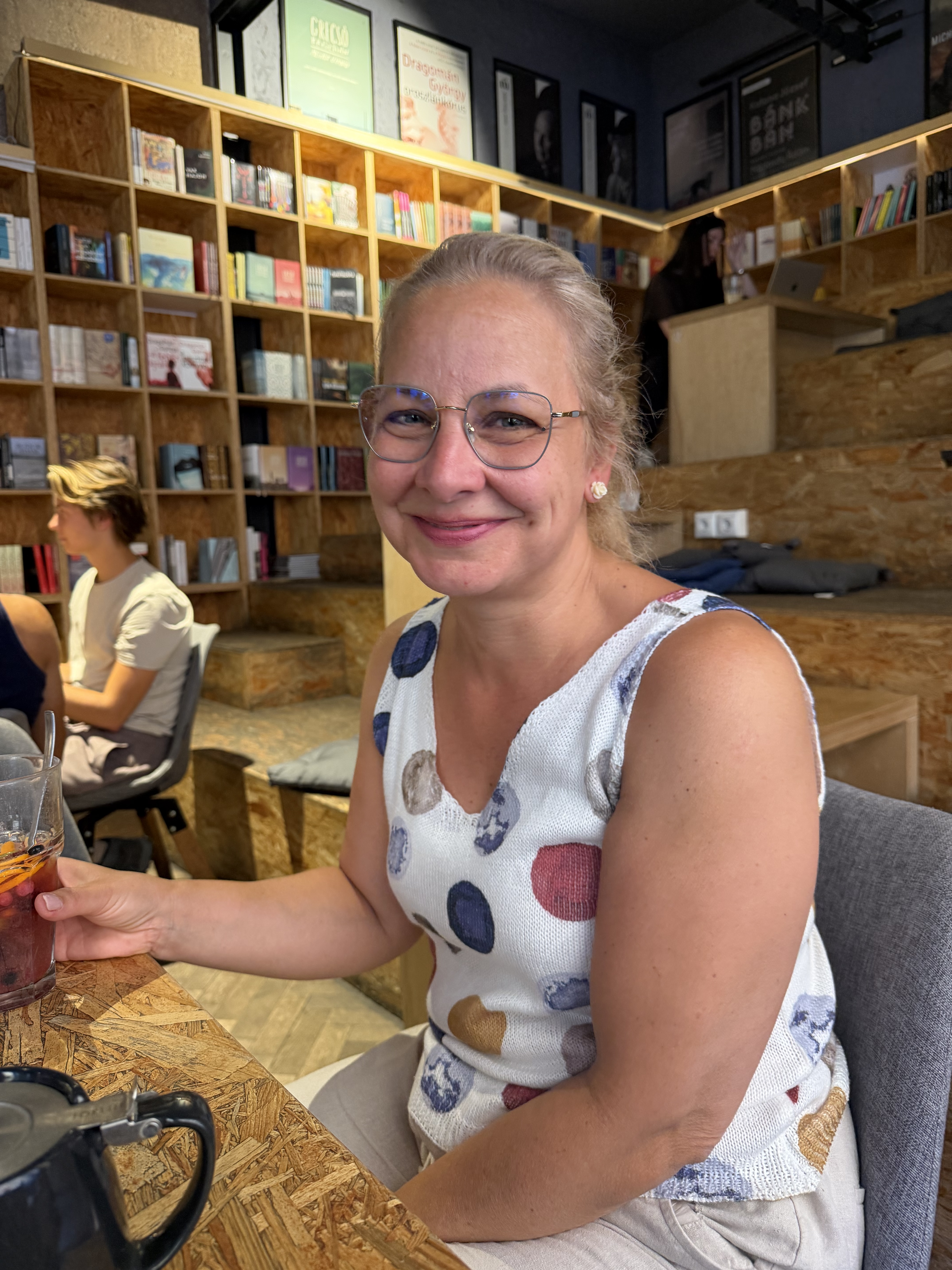
A chance email from my uncle’s granddaughter led to a summer evening in a Budapest café filled with the unexpected joy of recognition. Szilvia had chosen a distinctive café with books on every wall, comfy chairs and an upright piano in a corner. Straight away, I felt at home.
We smiled and embraced, curious to finally meet each other. Szilvia was delighted to meet someone who was related to her, someone who actually knew her grandparents on her father’s side. I too was glad to make the connection, as my father would have been her great uncle. I know so little about my father’s side of the family that any link is a bond to be treasured. Szilvia clearly felt the same way.
My cousin Atti, from my mother’s side of the family, came with me and was witness to our recognition of one another. Although from different sides of the family, there was a common thread running through our little triad. The three of us share much the same sensibility. Opening up to each other came easily to us. It turns out we are all readers, lovers of music and theatre. As a gift, Szilvia brought me a Hungarian novel by an author whose work she admires. I can’t wait to read it.
Being part of a small family where secrets are archaeological, every encounter with a relative feels like fossicking for fragments of the past. Szilvia was hoping that I had some clues about her father and I was hoping she could tell me more about my father’s family. We drew blanks, cursed the secrecy surrounding both branches of our family and wept for ourselves and each other as we tried to make sense of the inexplicable gaps concerning our identity.
She told me of her childhood, the alcoholism that plagued her family the way it plagued mine and we spoke of the trauma that has been passed down from one generation to the next. Her own adult life has had its fair share of heartache but she has come through it with compassion for others and a gentleness that I admire. Like me, she questions herself and my hope for her is that she accepts herself for that wonderfully imperfect, beautiful person who she is.
My sister died suddenly but it was not unexpected. She had a series of health issues that plagued her but none of them were necessarily fatal. It was both the combination of these ailments, and her stubborn refusal to do anything about them, that led to her passing. It is easy to say that she chose the path to self-destruction but of course it was much more complicated than that.
Born in Hungary in 1950, she was a post-war baby in a ravaged country where everything was still scarce. Her father had left while our mother was pregnant and by the time she was born two months premature, my mother did not want her either. ‘Throw it against the wall,’ she’d say, then throw her head back and laugh. This was how she always recounted the birth of my sister. Her aunt Vicki, who acted as her midwife, did no such thing. Instead she stoked up the fire and kept the room hot so that the little girl would survive.
True to her word, my mother did not want anything to do with her daughter. She left her in her aunt’s care, where the young child was loved and treated as if she were one of her own. I don’t know whether my mother visited often or at all but in the meantime, she met my father who had lost his wife to tuberculosis in the late 40s. The chemistry sparked between them and during the 1956 revolution they decided to risk their lives and flee the country. It was at this point that my mother returned to Aunt Vicki and took the child from her.
My sister was christened Palma Anastasia. Nobody really knows why. Both are unusual names in Hungary. She was always known by a shortened version of her middle name, Naszti, which later caused her to change her name to Palma and eventually to Pam because she was tired of people getting her name wrong. This was yet another layer of her identity that was stripped from her.
Little Naszti went from a stable loving home to running across mountains with a people smuggler, gunshots echoing behind her. Once ‘safe’ in Austria, she waited in a refugee camp with her mother whom she barely knew and a man she had hardly met. Eventually they were resettled in Luxembourg where she had to learn the three official languages, French, German and Letzeburgisch. Then, when she was ten years old, I was born.
Unfortunately for her, the chemistry that sparked between my parents soon became explosive and my mother often used her to create division between them.
‘He doesn’t love you the way he loves your sister. You’re not of his blood.’
I am surprised she was able to love me as much as she did, considering all the things she was told. My sister, however, was a gentle soul then and wanted to protect me above all else. In fact, as a ten-year-old, she took on much of the mothering responsibilities while my mother worked.
Her world was once again turned upside down when she was fourteen. After a disastrous business venture, my parents fled to Spain to escape bankruptcy. Another language to learn, new school, new friends to make. She was also watching my parents’ marriage implode. When my father and I disappeared one day, she was left with my grieving mother. She searched everywhere for her second daughter and when she found me a year later, my sister was left behind in Madrid to fend for herself at sixteen.
After another ill-fated reunion, this time in Austria, she left for London to work as an au pair at age seventeen. There was another language to learn and she couldn’t keep her name which sounded too much like ‘nasty’ to the English. She began using Palma and eventually Pam to fit in. At eighteen, she met her husband, a Sicilian chef nine years her senior. They married and within a year, I was sent to them for a year so I could learn English. They paid for my private school costs, all other expenses and put up with a miserable homesick child who really didn’t want to be there. My sister wasn’t equipped to look after my emotional needs, but then she was barely more than a child herself. At nineteen, I didn’t do any better looking after the younger siblings of my friends. It wasn’t my sister’s fault; my parents should have known better.
We migrated to Australia in 1971 and she followed within a year with her husband and baby son. While my family life unravelled amid my parents’ ongoing fights and eventual separation, hers seemed to flourish. They moved to the outskirts of Melbourne and life seemed to be going well for her. They built a house, had another child, bought a business and began to establish wealth. I didn’t see her for about six years during this period as I chose to stay with my father. We didn’t have a phone or car and I am not even sure that I had her address.
When we finally re-established contact, she was a mother of two living in suburbia. We didn’t have much in common but we loved each other. I became more involved with her daughter whom I regularly took to my place for sleepovers and ballet lessons. My sister took on more and more of the Italian traits of her husband’s heritage. They spoke Italian at home, she saw herself as the matriarch but was never really accepted by the broader Italian family. No matter how much she tried, she could never become one of their tribe.
I didn’t see everything that happened behind closed doors. My brother-in-law was loud and demanding. He always got what he wanted. I know he didn’t treat his wife kindly. He worked hard and she was expected to do whatever had to be done behind the scenes for his businesses. If anything was not to his liking, she would know about it. I never saw him hit her but his children did. I think she just got tired of a transactional marriage and saw no way out for herself.
When our mother became old and disoriented, my sister took her in. She looked after her for years with the patience of a saint. Our mother had never been easy but in her old age she became ever more demanding, nasty and often drunk. No matter where the alcohol was hidden, she would sniff it out. It became a constant source of friction between my sister and her family yet she could never find the heart to put her in a home.
Food became a source of comfort and over the years she gained a great deal of weight. She always loved fried food, bread, pasta and sweets. About three years ago, she was diagnosed with diabetes. She struggled to manage her diabetes and often forgot to check her levels.
Like her husband, she was a chain smoker which eventually led to emphysema. Smoking helped her regulate her mood. She continued to smoke even after her husband died of lung cancer. She probably had a smoke in bed the night before she died. ‘What else do I have left?’ she would say to herself.
I’m not sure when she discovered poker machines. She certainly kept it a secret from us all. I used to get frustrated with her stories of break-ins, cleaning ladies stealing jewellery, people stealing her bag or wallet out of the car, often with the weekly takings of the shop in her possession. How could anyone have such bad luck, I would think. At times she would ring in a panic and ask for a loan for something she couldn’t tell her husband about. Whenever I could, I obliged, never thinking that there was another reason behind her constant bad luck with money.
Once the truth came out, her relationship with her children was damaged and her husband was furious. She had lost well over a million dollars and suddenly they went from being well off to having to work to keep the roof over their heads. The last time I saw her she told me that gambling blocked everything out of her mind and for the hours she was there, she did not think about how miserable she felt. In the end, it left her asset rich in a large house without the money she needed for its upkeep. She relied on foodbanks to get her through to her next pension cheque.
She discovered love about four years ago when she met a much older man. He is in his 90s and has outlived her. While they seemed happy in each other’s company, her daughter had concerns about the relationship and did not approve. As it turned out, he was too frail to look after my sister or to live on his own so he moved to Gippsland to live with his daughter. He kept in touch over the phone and occasionally would visit her. My sister confided in me that he was the first gentle man she had encountered.
It is painful to admit that she was never truly happy. Our phone calls were always about the latest aches and pains, the terrible state of affairs in … (insert the latest hot spot), and how ungrateful her children were. I dreaded these conversations. Her hearing aid never worked well, the TV was always on high volume in the background and I had no chance of getting a word in. She stopped going out and her world shrunk to her four walls.
I tried to talk to her about our family but she steered clear of painful memories. As with so many members of my family, whatever she knew is now forever lost. I have come back from Hungary with photographs I have never seen before, and I was looking forward to asking my sister who these people were. I was hoping to drive to Melbourne in late September to talk to her about my recent trip. Now there is no one left to ask. The people in those photographs will remain unnamed, another missing piece in the puzzle that is my family.
Why does beauty matter to me? From an early age, even in the least favourable situations, I would attempt to create an aesthetic with toys, placing them in a pleasing order, putting those I considered beautiful at the front while relegating others further back. I had no words for this, only an inner compulsion to create something that made me come alive. Once I was happy with my arrangement, I cared for it in a way that I didn’t care for the individual items when they were simply strewn around.
My first introduction to aesthetics was through the church. Old Catholic churches, in particular, are rich in colour, symbolism and beauty. They embody the pre-Enlightenment conflation of truth and beauty: the belief that true beauty is God-like and that it is our duty to strive for and emulate the beauty found in God. As a child, I loved the stained-glass windows, the light they cast across the floors, the gold chalice, the frescoes and the intricate carvings on the sides of the pews. Walking into a church took my breath away. It struck me with awe and allowed me to access a place beyond the mundane realities of everyday existence.
I feel something akin to this when I walk into an art gallery or a well-tended garden. Even seeing an unusual or brightly coloured bird brings with it a sensation of grace descending upon me through the simple act of witnessing beauty. It is as if my very being yearns for these aesthetic experiences so that I can feel truly alive. They remind me that there is more to life than being an economic entity whose sole role is productivity.
Listening to live music also has this effect. Last Friday, I felt elated as I listened to Salut Baroque perform a selection of pieces they had collated under the title Bohemian Rhapsody. The music reverberated through my body, making it feel lighter. A series of tingles travelled up my spine and, over the course of the concert, I entered a state of total relaxation. Transformative is the word that comes to mind to describe the effect of the music, and the feeling of wellbeing stayed with me throughout the night.
To feel whole, to thrive and to be content, I need beauty in my life. Daily encounters with beauty provide nourishment for my soul in the same way that food nourishes my body. It provides inspiration much as breath sustains life. I simply cannot imagine my life without it.
My Hungarian mother was a superstitious woman who made sure I could decipher the various spirit signs, even as a young child. It was impossible to escape them and they followed me everywhere, contributing to my hypervigilance. Even though I no longer believe what these signs tell me, I will still often name them when I come across them. Then, I tell myself that there are perfectly simple explanations for the phenomenon. I wonder how many of these were part of your childhood?
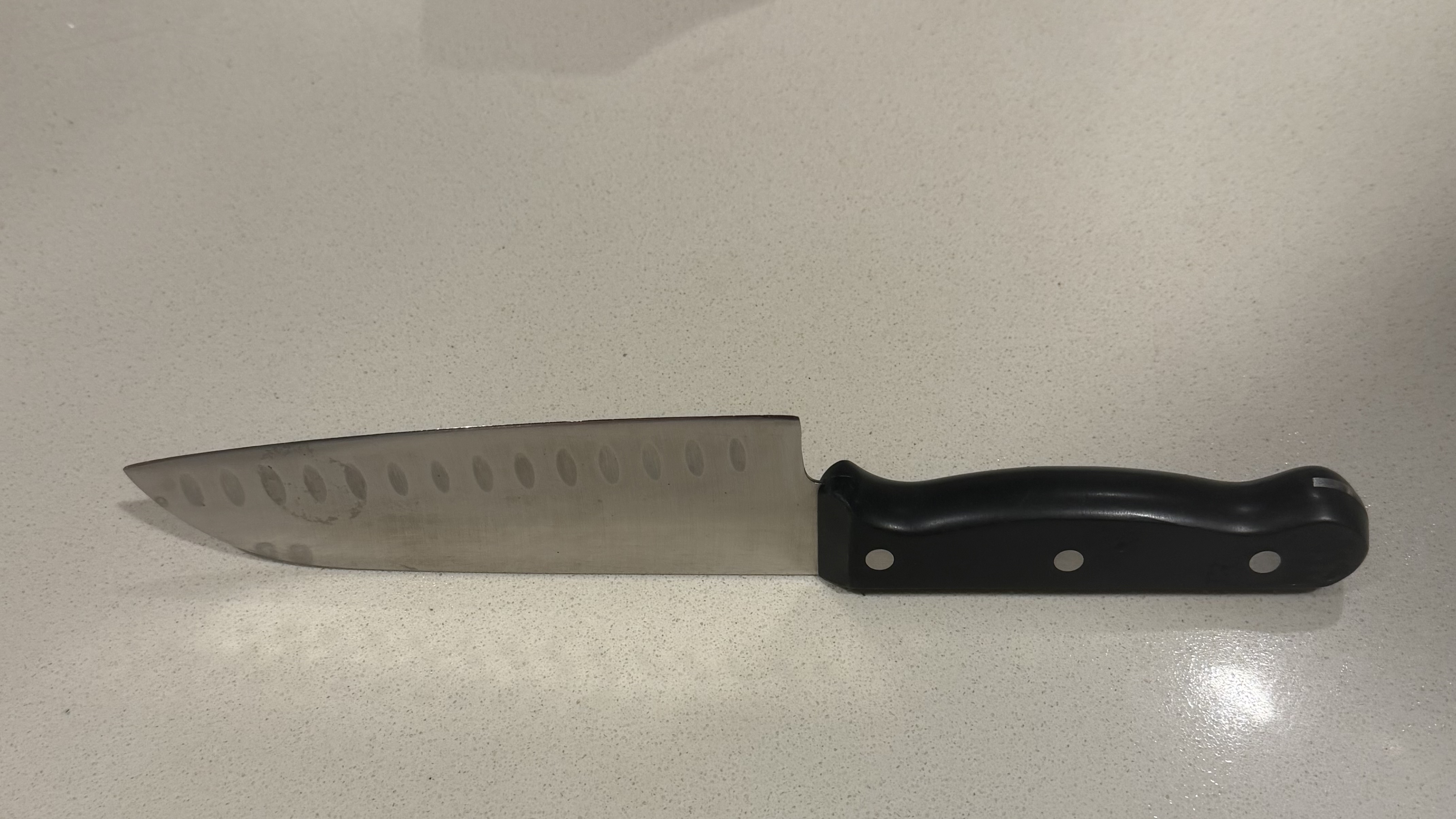
A knife that lands with the blade facing up. Sure-fire sign that there will be an argument. This one had a 99% chance of occurring. Was my mother ready to start the fight the moment my father came home to prove the sign right? There were lots of ‘I told you sos,’ afterwards. Hard to dismiss as a child.
Light bouncing off glass onto the wall or ceiling. An imminent death. I was never, ever allowed to play with light or look for rainbows on the walls. This one scared me to death!
Spilling salt. I still throw a bit of salt over my left shoulder just to make sure I ward of bad luck. Why for goodness sake?
Eating lentils on the first day of the year to attract money. The lentils are like small coins and will bring you prosperity. (I’m still waiting…)
Flickering candles signify the dead giving you advice on a particularly tricky decision. This one spooked me every time!
Sweeping dirt out of the house rather than picking it up with a dustpan and brush will ensure you remain poor. Oh dear, I committed this mortal sin many a time as a teenager.
Sewing a button or anything on an item of clothing while wearing it will also doom the person to penury. I wonder whether royalty was aware of this rule when they were sewn into garments?
Crossing myself when I see dead animals on the road. (I admit, I haven’t been able to break this one!)
Melting a small piece of lead in a spoon and dropping it into cold water. This is usually done on New Year’s Eve but my mother would try her luck at other times. The newly solidified shape has different meanings according to the shape and would lead to interpretations for the coming year. This one reminds me of reading tea leaves.
Bumping the funny bone means that guests are about to turn up. My experience of this has only been blinding pain.
A chimney sweep indicates good luck, but only if you quickly get a hold of a black button and turn it!
On Easter Monday, a woman/girl cannot leave the house until a male has come over and sprinkled some perfume on her head.
Stepping on the heel of someone’s shoe indicates that they will be coming to your wedding. I’ve had so many kids do this at school and none of them were invited to my wedding.
Then there are all the usual suspects, four-clovers (I find many), walking under a ladder, storks for new life, and garlic to ward off evil. Later, I my teenage years, my Indian friend added to the list the counting of Indian Myna birds. Here it goes: one for sorrow (which I change to solitude), two for joy, three for letter, four for boy, five for silver, six for gold, seven for a secret never to be told, eight for copper, nine for brass and ten for my exams to pass. And yes, I still count them!
The superstitions in our household had the function of keeping everyone alert, to look for danger and always be ready for a disastrous turn of events. I was always on edge, looking for threats whether they were there or not, and this was a heavy burden to place on an already traumatised child.
I eventually learned that knives are dangerous when you cut yourself on the blade but knives per se carry no evil intent. The constant arguments came from elsewhere. I now recognise that my mother’s superstitions were part of a broader attempt to make sense of a world she found frightening and unpredictable. She had survived a war, untold atrocities and men who were equally as damaged and unable to give her the security she needed. Yes, my mother was a difficult woman. At times she was cruel and vindictive, but she was also struggling with demons that none of us understood.
A deliberate effort to engage in conversations with strangers has enriched the past week in ways I would never have predicted. Each encounter, however small, stayed with me and made me think more deeply about the inner lives of people we rarely come to know.
Lining up at the chemist, I heard the woman say, ‘I’m such a luddite.’ I couldn’t help myself. ‘Do you know the history of the Luddites?’ I asked. She did, and we had a slightly conspiratorial conversation about the Industrial Revolution and the loom weavers who sabotaged machinery, some by throwing wooden clogs into the works. We walked away with a hint of mischief between us.
While walking the dog, a woman I vaguely knew said hello. ‘I haven’t seen you for a while,’ I said. ‘I’ve had some surgery and I can’t do much exercise until it heals,’ she replied. She then told me about her nightmare of having to remove breast implants and how she wishes she could warn young women about the very real dangers that can follow. It was a completely honest conversation that allowed her to be vulnerable with someone she didn’t know. She acknowledged her insecurities had led her down the path of cosmetic surgery and recognised that the only person who benefitted was the surgeon. It takes guts to be this brutally honest, and I don’t even know her name.
Later in the week I braved the city mall to replace my phone’s screen protector. It had been shattered for months. At the Apple Store I was greeted by a woman in her thirties who asked about my granddaughter and then started to tell me about her own family. She spoke about the complexity of the feelings she experienced leaving her two-year-old after returning to work. She seemed to recognise in me an older woman who would understand the inner conflict she was navigating. We chatted while she fixed my phone and by the time I left, we had established a real human connection that is rare to come across.
Today I went to explore an upmarket second-hand clothing store at an Anglican church. They were having a 50% off sale I had read about in Region Canberra. I found three items and when I went to pay, I struck up a conversation with one of the volunteers. They were making room for winter stock and needed to clear the leftover summer items. She explained that the summer clothes would be sent to Maningrida, in West Arnhem Land. ‘I’ve been there!’ I exclaimed. This was all that was needed for her to tell me about hosting a young Aboriginal woman from Maningrida for a week. Years later, she still remembered her with great fondness.
Each of these encounters reinforced our shared humanity. We participated in telling authentic stories that made our experiences feel valuable. As people, we make sense of the world through our stories. We create empathy by sharing what matters to us. When used in this way, stories serve to unite us.
Saturday mornings are for going to the market. Even when I don’t need much, I go because I enjoy the ritual. Many people need to change things up to find their vitality. I need repetition and ritual to feel grounded and truly present. It is the simple acts such as putting the harness on the dog, getting the bags ready and choosing to walk through the park that make the trip joyful. I pause to say hello to strangers and listen to snippets of conversation as people pass me with their bags or trolleys, all heading to the same place. Passing us on the other side of the narrow track are the early birds returning with their bounty.
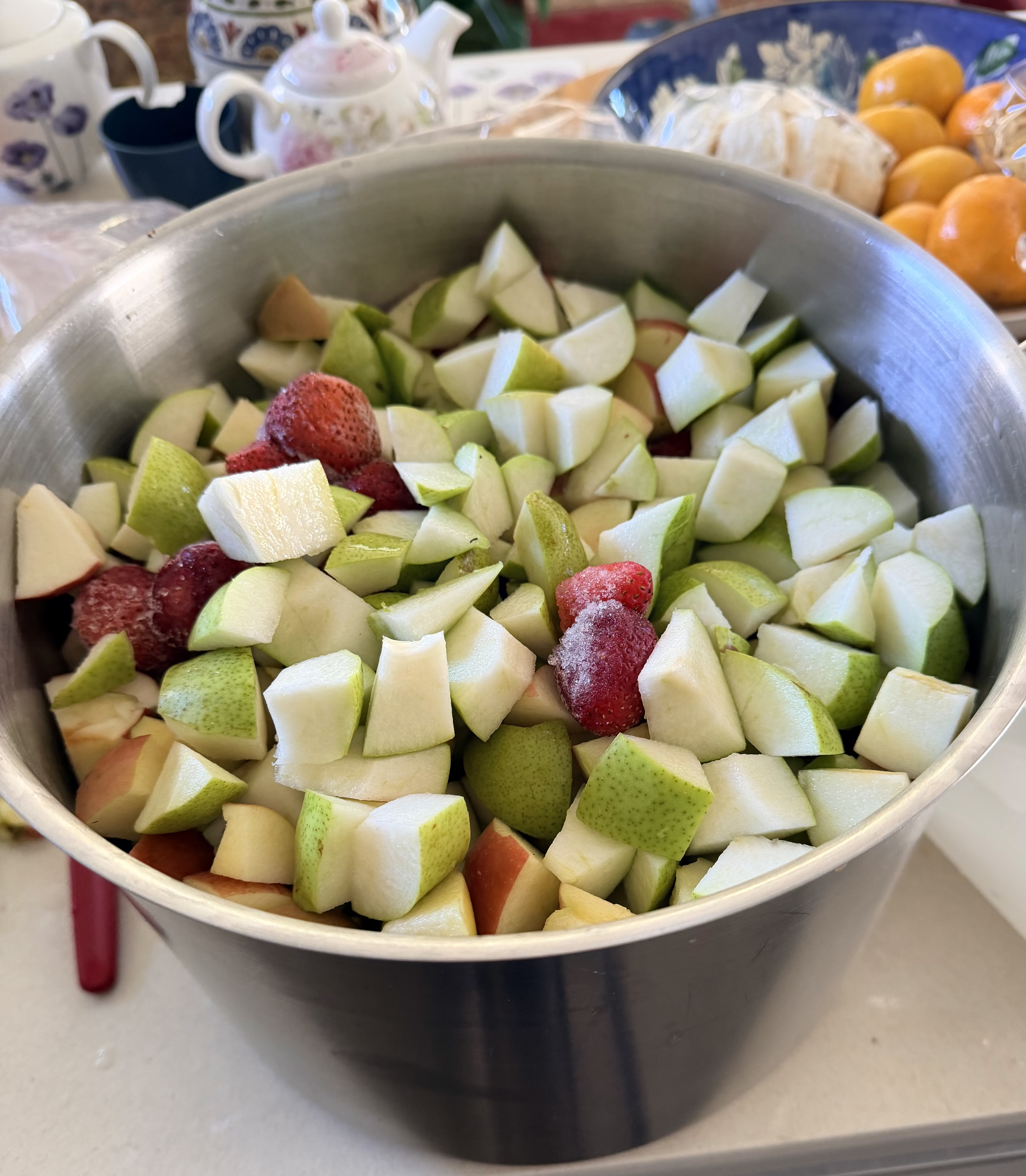
Today, my aim is to buy fruit and transform it into delicious baby food for my granddaughter. She has become a voracious eater. Rather than buy processed food with additives, I have taken it upon myself to cook and bottle food that contains only fresh ingredients and an extra large dollop of love.
The dog is used to the routine. I tie her up to one of the posts as she looks across at all the other dogs, patiently waiting, tied up along the fence. Then I disappear into the fray. I already know where I will buy the apples and pears but, as they will be heavy, I leave that purchase until last. Before I buy anything, I walk down every aisle, getting acquainted with what is on offer and which of my favourite stallholders has come this week. Among the many bread stalls, I find my favourite sourdough halfway down on the left. Tempting as they are, I only look at the native plants. Maybe next time, if I manage to get on top of the weeding in the meantime.
After succumbing to Greek ricotta donuts, I head to my favourite fruit stall. It is run by an elderly, weathered woman with long grey plaits, who comes every week from Batlow on the south west slopes of NSW. Unlike supermarkets, she sells a wide variety of apples, some that haven’t been seen on shelves for years. She also sells cheap, misshapen fruit that tastes just fine and is perfect for stewing. She drives two and a half hours to get to Canberra, starting her journey at about 4am to arrive in time for the market. I am in awe of her stamina and her commitment to come each week.
The dog is on the lookout, searching for me as I come out of the hall. The rucksack is heavy and I feel my centre of gravity shift as I bend down to untie her. Our walk back is slower, but it still only takes ten minutes to get home. After a cuppa and two of the delicious ricotta donuts, I am ready to wash, core and slice the fruit. To give it a little zing, I add a generous amount of cinnamon, strawberries and some maple syrup. Once soft, the mixture is blended and poured into sterilised jars. It is delicious.
Later in the afternoon, I deliver the goods. The hungry little possum is rapturous. Her mouth opens wide as the loaded spoon approaches. She repeats the wide gape again and again until the contents of a large bowl disappear. Her delight is all mine.
Through the simple act of preparing freshly sourced food, I am strengthening the connection between myself and my daughter’s family. These meals provide sustenance for the body, but also carry care, intention and love. Making and sharing nutritious meals has always been my love language.
Walking in the park across the road is a daily ritual that offers both quietude and community. This suits me well. I have never been drawn to binary thinking, dividing everything into rigid oppositions. I need the nurture of nature and that of people. It is this interplay that holds my days together.
Some mornings I choose the short circuit, aware of time’s fiendish presence urging me to hurry so I can get to work on time. Yet the moment my feet touch the earth, I resist the urgency, keen to be present to whatever nature offers that day. It may be the sound of a dry stick breaking underfoot, the squawk of a parrot, or the swishing and swaying of stooping gum leaves.
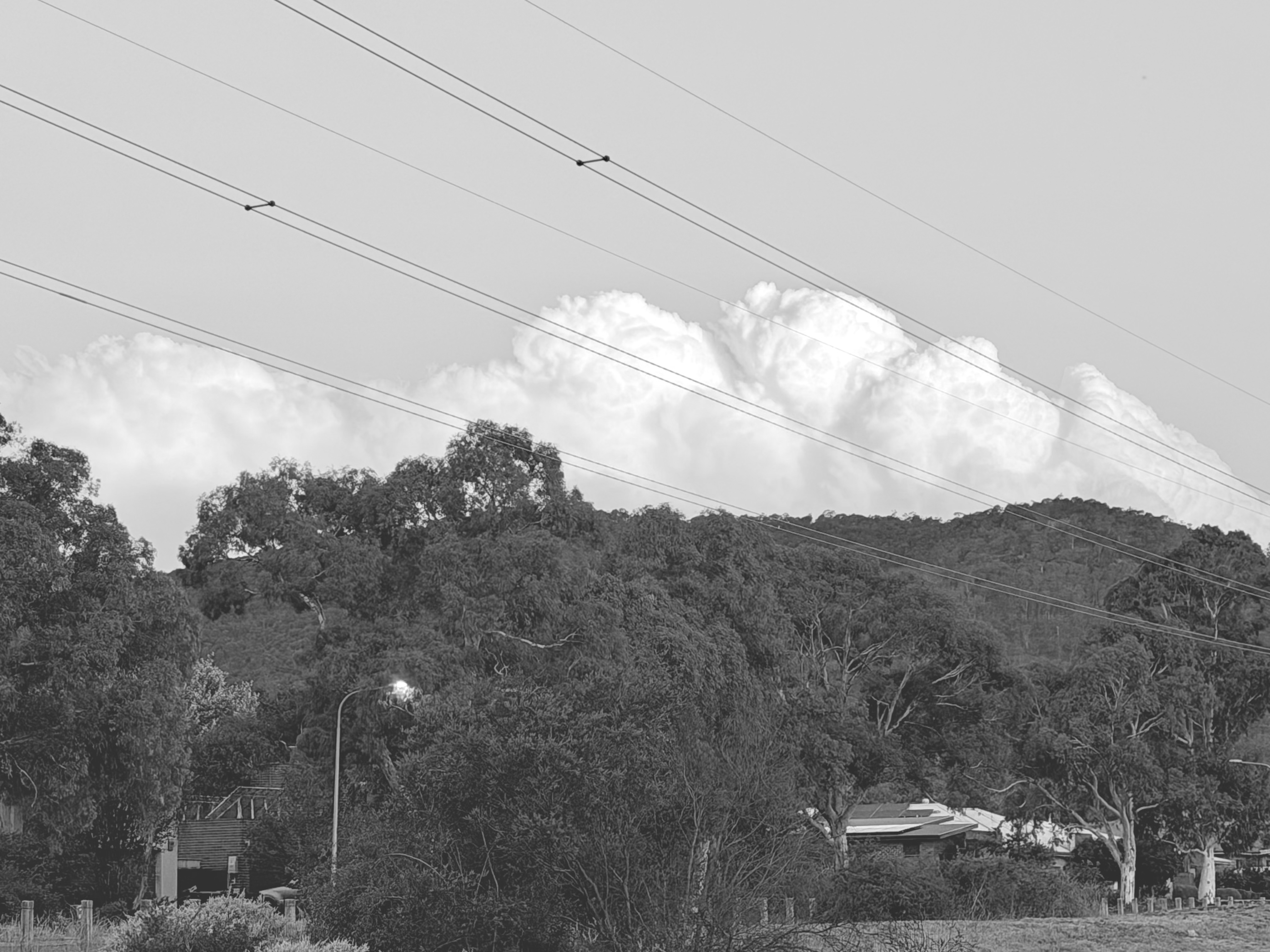
Autumn approaches and the weather shifts. The cool air on my face awakens me to the beauty of the moment. A long blade of bent grass, the smooth bark of blue gums, and Majura mountain framing the vista quicken my spirits. A slow breath in, a pause, a slow breath out, and I feel lighter, part of this landscape, not simply an observer.
In the distance, I see the wave of a hand, and a dog I recognise bounds towards me. I wave back to a fellow dog walker who has, over time, become a friend. Morning hellos have drawn me closer to the people who live in this community. We exchange a few words, learn each other’s names, tentatively invite one another in for a cup of tea, and a friendship forms. Friends introduce friends, and a small community expands to take in another kindred soul. I feel privileged to be included in their company.
As I near home, my thoughts turn to work and the day that awaits. I feel the urge to stop, to look back, to take one last glance at the pond, the trees, and the ever-present mountain. I feel held in its ambit, and it is this feeling I carry with me. It will guide me through the day. And if not the whole day… then at least until my first break.
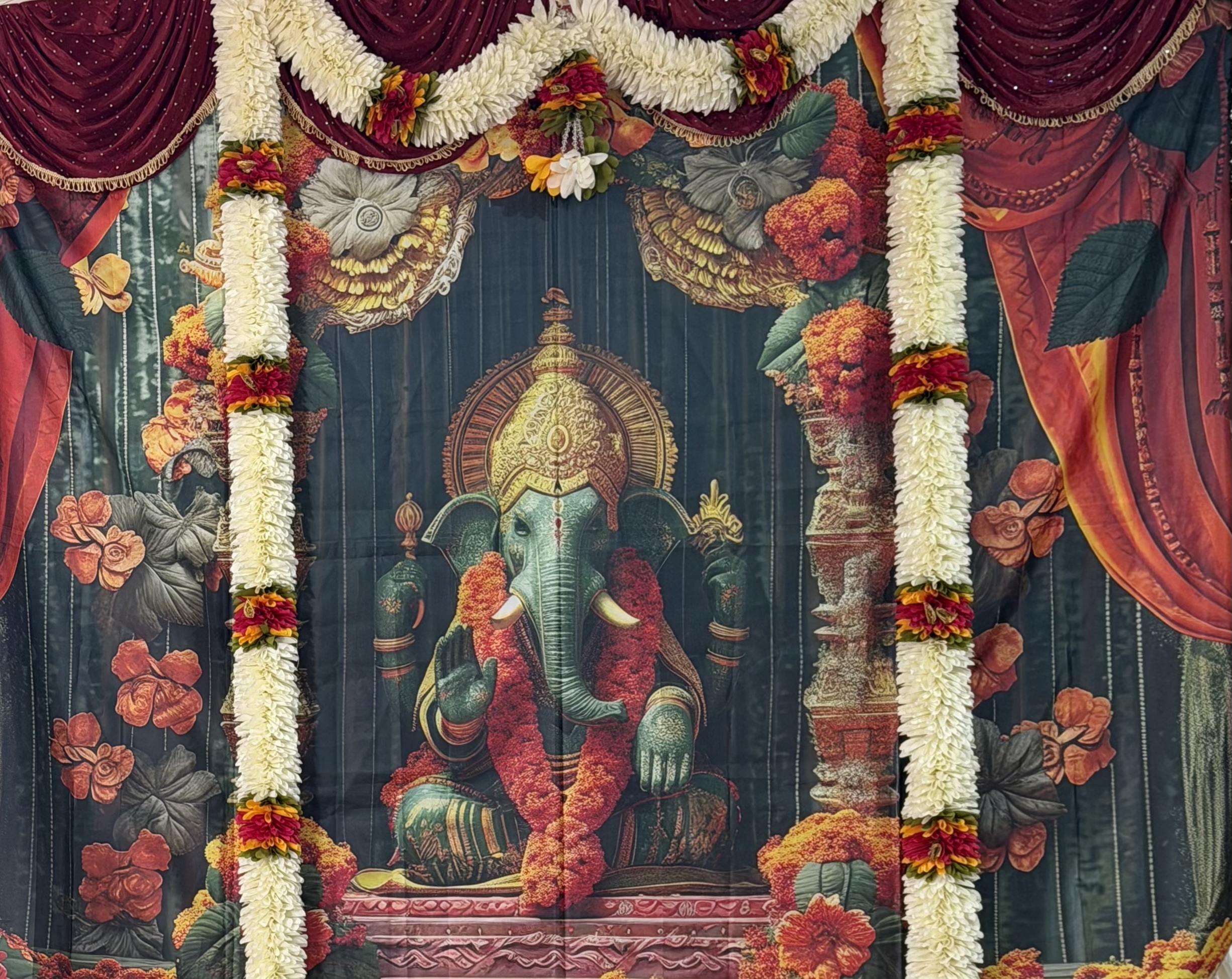
The mother of a Tamil girl whom I tutored invited me to a coming of age ceremony on short notice. I was off work, so I accepted the invitation. When I asked about its significance, she explained that when a girl gets her first period, they have a special ceremony to acknowledge her new state. While in the past this marked a girl as being of marriageable age, it is now seen more as a rite of passage on the journey to becoming a woman.
Out of respect for the family’s privacy, I won’t be sharing their names or images.
I arrived earlier than most guests, with no preconceived expectations. The house had been decorated with garlands and there were fruit offerings in front of the door. Once inside, I sat on a sofa and watched the adults hurrying to and fro, getting things ready for the priest and the guests who were yet to arrive. The girl was nowhere to be seen.
When her sister came out to greet me, I passed on my present, which I had presumed, correctly, should be jewellery. When the girl first appeared, she was wearing a lovely embroidered dress. She then sat on a stool and was blessed by various family members using coconut milk and a herb on her head. I too was invited to come forward and place some on her head. Several other rituals were performed before she disappeared to be washed. She later emerged wearing a half sari, symbolising the bridge between childhood and adulthood.
At this point, she had haldi kumkum applied to her forehead and other sacred pastes of turmeric placed onto both her arms and cheeks. Once more, close family and elders were invited to apply the balm and offer their blessings.
When the priest arrived, he performed a long ceremony, reciting Vedic prayers for well over an hour and a half. During this time, various members of the family were called upon to sit beside the girl, using incense, fire, leaves and flowers to purify her and shower her with blessings. While I sat transfixed, others in the room continued to talk, take photos and move about. This was something I found quite unusual. I was brought up to make a clear distinction between the sacred and the everyday. I wouldn’t dream of talking in church while the clergy performed their duty, yet here it was quite accepted that people talked and laughed while the ceremony continued not more than two metres away.
One of the guests streamed the event live to Indonesia, where the girl’s aunt lives. The family had visited her during the Christmas holidays once their application for asylum had been granted and they were assured of re entry into Australia. They now have Australian citizenship, which must feel like winning the lottery after years of living on a bridging visa.
When the ceremony was over, everyone shared a feast of vegetarian curries and special sweets. The food was delicious, albeit quite hot. I chatted to the only other older woman there, who also holds a special place in the heart of this family. She is a Christian Sri Lankan who has worked tirelessly with Tamil refugees in Canberra, helping them connect with organisations that support their settlement and sense of belonging. She was pleased to hear that I too would be attending the Palm Sunday Rally for Refugees.
I have played a small part in helping this family feel welcome, supporting two of their children with English and other school related learning. What I have gained in return is something far richer. I was welcomed into their family and given a glimpse into a culture very different from my own. And yet, I was also struck by what connects us.
For my First Holy Communion, I wore a white dress reminiscent of a wedding dress, not so different from the half sari. On Ash Wednesday, a cross of ash was placed on my forehead, while this young girl had white, orange and red markings carefully applied to hers. The meanings are different, shaped by different beliefs and traditions, and yet the gestures feel familiar.
I know they serve different purposes, grounded in their own histories. Yet I am struck by how instinctively we mark these moments in the body. With cloth, with colour, with touch, with ritual.
Across cultures, we seem to reach for the same things when something matters. We pause. We gather. We mark the moment. We acknowledge what matters.