What Might Have Been, What Still Is

It is seven in the morning and I’m walking my dog. There are a few people about; a Border Collie here, an Oodle there, a Kelpie in the distance. As I come to cross path, an older couple appear without a dog in tow. This seems odd. At this time of the morning, most people walk briskly with their dogs, giving them a quick outing before work. Over time, most of these people have become familiar faces which I acknowledge with a nod and smile, or with whom I exchange a comment about the weather.  

Ever curious, my eyes follow the older couple as they walk in-step, hands in pockets, elbows lightly touching. As I watch from a distance, my heart aches for the familiarity and affection I sense from their movements. In their steps, I glimpse the path I imagined for myself long ago. This is how I always wanted my old age to be; my husband and I, walking along with a dog running ahead, enjoying companionable silence, or the conversation that makes up a lifetime shared.

Watching them, my heart aches but there’s also joy in my sadness. Joy, because they beat the odds of divorce, death or the malignancy of indifference. They have not ended up in a law court fighting out a bitter dispute or learned to loathe each other in silence, bickering away the fleeting moments of their lives. I celebrate this couple and all those who stood the test of time, those who have learned to love through pain, heartache and oh so many joys that life has to offer, to finally arrive at old age together, whether it be by luck, good fortune or good health. And as I watch them go, I know without doubt and without sentimentality that this would have been us, had death not severed my beloved from my side.

Floriade and Friendship

Many a weekend is spent on housework and chores. That’s a fact of life for those of us who work full-time. But there’s more to life than dishes and socks. Weekends also need to include recreational activities to recharge us.

This week my dear friend Heidi announced she would come to visit. We live about 110 km from each other but even with this relatively short distance in Australian terms, we don’t see each other often. I suggested going to Floriade, a Canberran institution which is held every year in September. She readily agreed.

Floriade is a celebration of spring held at Commonwealth Park each year. An overall theme is selected for the various garden bed designs. This year Floriade features 12 large garden beds highlighting Australian Scientists through the contribution they made to a scientific field. The garden bed themes have names such as Molecular Structure, Spectrum and Petri Dish. By carefully observing the design of each bed, the theme presents itself. My favourites were the double helix for DNA and the Atom.

While massed tulips are the main attraction, there are many varieties of flowers in an assortment of colours. There are Pansies, Chrysanthemums, Hyacinths and Violas to name but a few. Each display is painstakingly planted to represent the facets of science it celebrates. It can be difficult to discern the images portrayed from ground level but when viewed from above, the images become clear.

I suggested going on the Ferris Wheel to get a better view. After a long wait, we clambered into a swinging carriage that was to take us up for a better view. From above, it was much easier to discern the themes. It was very windy at the top and we rocked from side to side which made taking pictures difficult. Our best photos came from when we stopped half way up.

Heidi and I had a wonderful time exploring the gardens. We were mesmerised by the variety of colours of the flowers we encountered. Black Pansies and deep purple hyacinths! We had never seen either of these. We marvelled at the ingenuity of the of the garden bed designers.

While the flowers occupied the centre of attention, we still had time to catch up with each other’s lives. We are empty nesters; our children flapping their fledgling wings. We talked about our plans for retirement, the joys of having a dog, our fears for future generations.

There is immense comfort in a friendship that has lasted forty years. Surprisingly, in all that time, we have only lived in the same town for roughly two years. Yet like tulips at the Floriade, our friendship has returned season after season, surprising us with vivid palettes of colour and the patina that the years provide.

Floating My Way into Calm

The first time I encountered a floatation tank was in Melbourne sometime in the 1990s. Back then, they were small pods which could either be closed completely or left ajar for those who suffered from claustrophobia. I didn’t know what to expect and found the experience relaxing but rather boring. It was also before I learnt to meditate.

On a whim, I decided to book a 60-minute floatation experience. I reasoned that if I fell asleep during an MRI, I would find floating in an enclosed tank relaxing. I booked into the nearest ‘Wellness Centre’ and a calm young woman met me at the front counter. The process was explained via a short video on an iPad; she then offered me a cup of tea and took me to the floatation room.

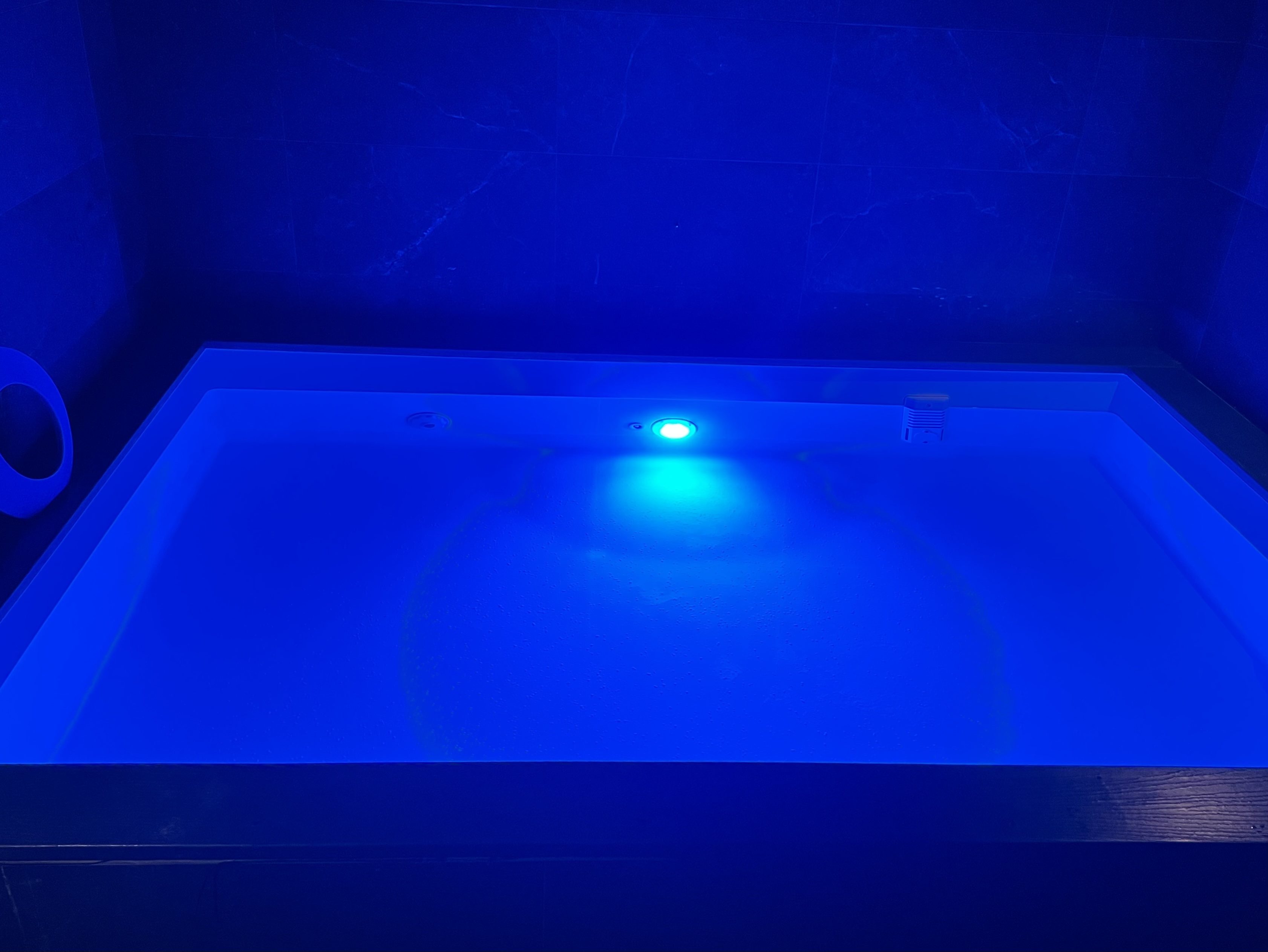
Instead of an enclosed tank, I found myself in a very spacious room with a shower on one side and a floatation pool taking up the length of the room. I was surrounded by blue light which I could turn off for complete sensory deprivation. Once showered, I stepped into the pool and immediately floated to the surface of the water. I chose not to have any music and turned off the light.

This may remind some people of solitary confinement and in a sense it was. I began a mindfulness of breathing meditation, where I counted each in and outbreath as one and then continued until I reached ten before starting at one again. I managed to focus for ten times ten breaths which roughly equates ten minutes before I lost track. I’m not sure how long I persevered with counting my breath before I fell into a deep sleep in zero-G.

Sensory deprivation is often used to reduce stress, relieve pain and help with concentration. When sensory input is minimised, it is easier to allow our parasympathetic nervous system to do its job and relax the body. It can lower the heart rate and produce a profound sense of calm. Sensory deprivation, especially when combined with high levels of magnesium sulfate (Epsom salts), can assist with muscle recovery and improved sleep quality. These are all sorely needed when we are always on the go, and my sore body sure appreciated the benefits.

A faint voice awakened me. I stirred, found the light switch and showered once more, washing the salt from my body. Heading to the lounge area, I encountered a number of slow moving, gently smiling people. After tea and a few quiet moments in the lounge, I opened the door and returned to the world outside; calm, rested, and savouring the silence within.