
Tides, Trees and Time

I have lived away from Sydney longer than I ever lived in that city, yet it keeps pulling me back like the tide along its shores. After living elsewhere for twenty five years, I can still find my way around the inner suburbs. I know the backstreets and shortcuts and have even kept up with the new motorways. In contrast, I often get lost in Melbourne, where I grew up. But it isn’t the streets, or their familiarity, that draw me back to Sydney.

This Christmas, I was greeted by flowering frangipanis in a friend’s garden. Their heady, tropical fragrance carried me back to past summers, to easy, carefree days spent on the beach at Nielsen Park or Bronte, inhabiting what seemed like endless summers. We would lie under the generous shade of Morton Bay fig trees, admiring the large, eel like buttress roots that extend several metres from the trunk. These trees are gigantic, with canopies that can reach up to fifty metres. They offer the best escape from summer heat in Sydney, and their large, often gnarled branches allow for endless adventures for children.

Blooming jacarandas are another Sydney hallmark. Every student at Sydney University knew that when the jacaranda bloomed in the Quadrangle, exam time had arrived. It was a favourite place for graduation photos, and I have one of my husband standing beneath the old tree. That tree collapsed in 2016, but it has since been replaced by new jacarandas to continue the tradition.

Southern Sydney suburbs are known for their jacaranda plantings. In the 1950s, Sister Irene Haxton, who worked at the Jacaranda Hospital in Woolooware, gave jacaranda seedlings to new mothers, who planted them in their gardens. Now there are suburbs where almost every garden hosts a magnificent jacaranda blooming in November. The purple flowers form thick carpets along driveways, a stunning sight, even if not always so welcome to the people who live there.

One of my all-time favourite flowers, which grows easily in Sydney, is the gardenia. Like the frangipani, its heavy, sweet perfume is intoxicating. I bury my nose into one of its creamy flowers and swoon, giddy with the pure pleasure of its scent. Unfortunately, gardenias do not cope well with frost, which precludes them from gracing my small garden in Canberra.

I used to return regularly to Sydney for cultural events, concerts and exhibitions, fleeting overnight visits that rarely allowed time to notice the flora I once took for granted. Now I tend to return to see friends, people who have been there through life’s highs and lows. Sydney is where I met my husband, where my daughter was born, and where many loyal friendships were formed.

I have no desire to move back to Sydney, with its stop start traffic and planes roaring overhead. I am much more at home in the slower pace of Canberra. I love its distinct seasons, with vibrant autumns and bracing winters that sharpen my senses. So, it isn’t that I miss Sydney as much as the memories that come alive whenever I visit. Each street, each smell, each tree reminds me of the path I have trodden, the life I have lived, and the friends who have shaped me. Sydney will always be those heady, fecund years of my thirties, when I sowed seeds of love and friendship. Now, in my sixties, I can return and enjoy its full florescence.
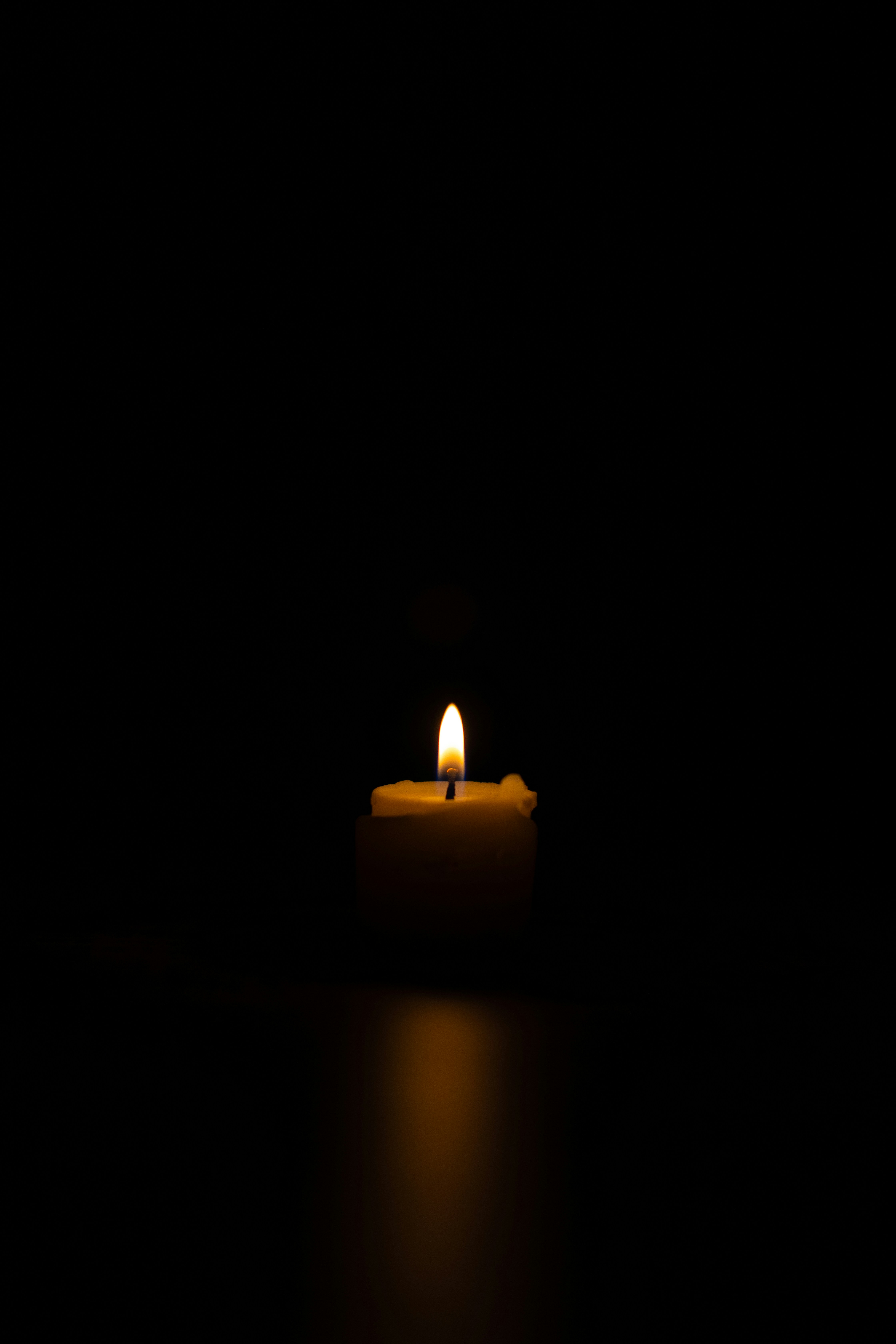
A shared flame

Photo by Sixteen Miles Out on Unsplash

In the Christian tradition, Jesus is referred to as the light of the world. His birth, which is what we celebrate at Christmas, is heralded by a bright star showing the way to Bethlehem. During Advent, the four weeks before Christmas, a candle is lit on each Sunday in anticipation of Christmas. In Scandinavian countries, the Feast of St Lucy on December 13 is celebrated with the wearing of candle crowns, bringing light into the Advent season. Similarly, Yule, the pagan festival marking the return of light, is celebrated in the Northern Hemisphere at the winter solstice, the shortest day of the year.

In the Hindu tradition, the festival is called Diwali and it occurs at the beginning of winter to symbolise the triumph of light over darkness, good over evil, and knowledge over ignorance. Buddhists celebrate Vesak, marking the birth, enlightenment and death of the Buddha, with the lighting of lamps and lanterns. While there is no official festival of light in the Muslim tradition, lights and lanterns are prominently displayed during Ramadan and Eid.

And so we come to the Jewish celebration of Hanukkah. The eight days and nights of Hanukkah commemorate the rededication of the Second Temple in Jerusalem and the miracle of the oil used for lighting that lasted eight days, while the temple was fought for and won back from the Greek Syrian Seleucids who had defiled it. Over the years, Hanukkah has come to symbolise resistance against injustice and oppression or, to put it another way, good vanquishing evil.

As humans, we are drawn to light for safety, warmth and the provision of food. Is it any wonder that light, especially candlelight, is a shared symbol across cultures? Light has always been a metaphor for all that is good and just in our world. This is why the murderous acts at Bondi Beach were such a shock for us all. Both secular and religious Australians wish each other joy and peace for the year ahead. We believe that good will triumph over evil and, as Martin Luther King Jr. said, ‘darkness cannot drive out darkness; only light can do that. Hate cannot drive out hate; only love can do that.’

This Christmas, let us all light a candle for our brothers and sisters as a sign that we will not allow darkness to prevail.

Dawn, Dusk and the Dangerous Crossing

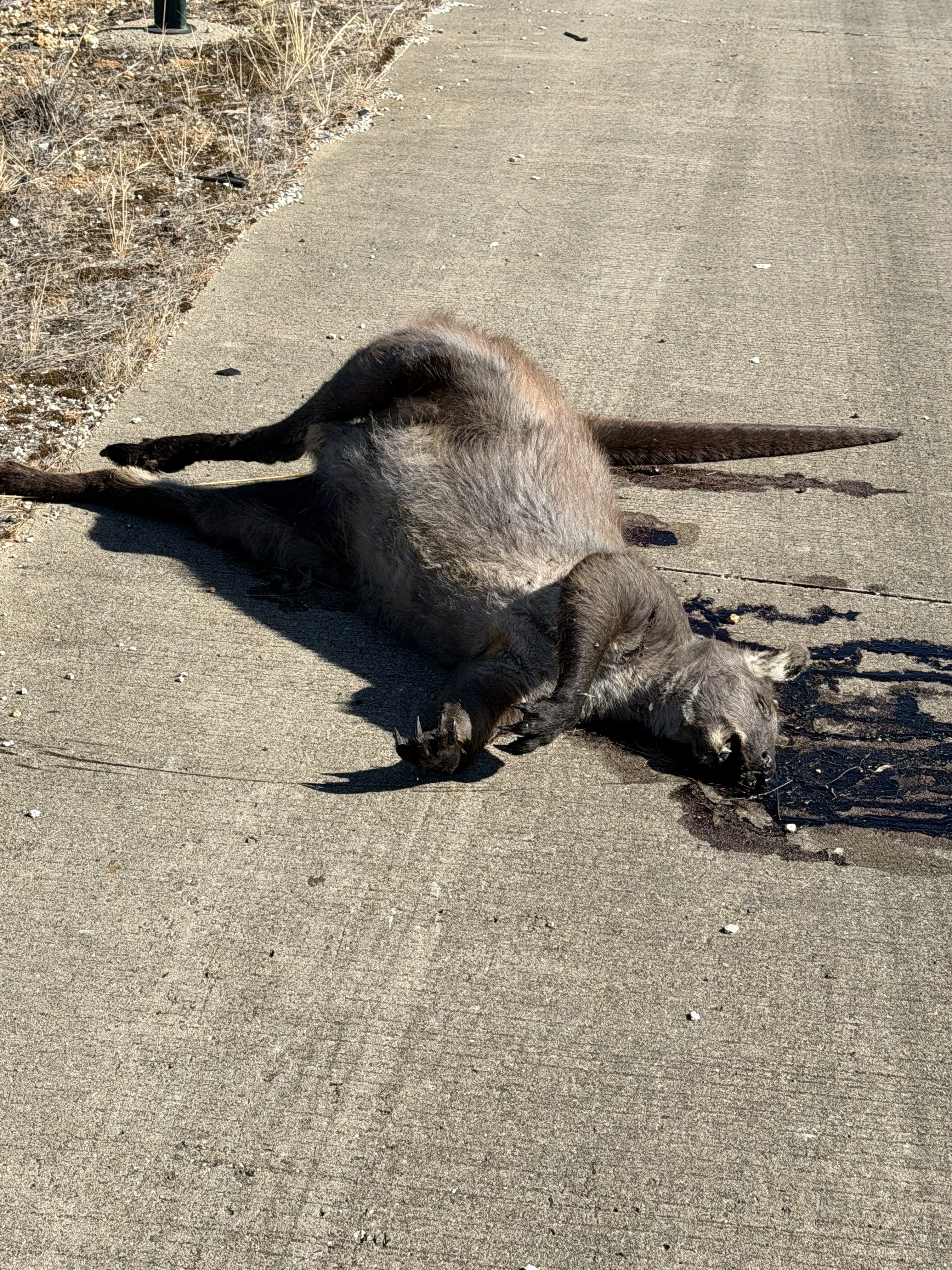
When friends come from overseas, they often bemoan that they only ever see dead kangaroos on the side of the road but never live ones. I share their unease about this road toll that seems to be accepted as a fact of life in Australia.

Until I moved to the country, I didn’t realise just how many animals are killed daily. Now that I live in Canberra, known as the bush capital, I encounter dead kangaroos, birds and wombats almost every day on my way to work. People in cars drive by, drive over, or drive around the carcasses. The animals decompose on the roadside, are eaten by crows or become odd-shaped patches on the bitumen.

According to a conservative estimate, ten million native animals are killed on roads each year. This doesn’t include foxes, rabbits or mice. As there is no national database, this figure is extrapolated from reported cases to wildlife rescue organisations and insurance claims. Many animals would simply disappear into the bush and die there.

In some places, efforts have been made to reduce this carnage. There are rope bridges for possums to cross over highways, and I’ve seen tunnels under sections of road for wombats, echidnas and other animals. However, these measures are few and far between. High fences have been erected around some roads to stop kangaroos accessing them, but these are extremely expensive to build and maintain.

Most wildlife is killed at dawn or dusk when our native animals are on the move. They’re often attracted to the greener grass at the side of the road or they’re crossing to reach water, food, or they may be looking for a mate. Their territory is often fragmented, which forces them to attempt crossings simply to get where instinct tells them to go. Barriers in the middle of the road may protect cars from oncoming traffic, but they also trap animals on the roadway with vehicles whizzing past.

My heart aches every time I see a dead animal on the side of the road. I’m shattered by the sight of a dead mother kangaroo and a joey a few metres further along, and I think about a dead bird’s mate waiting for its return. It’s easy to become desensitised when you see carcasses every few metres along a stretch of road. It becomes part of the everyday experience of driving to work or going on a road trip. But I don’t ever want to get desensitised or accept that this is how it has to be. We are needlessly putting endangered species such as the Tasmanian Devil and koalas at further risk of extinction.

While I don’t have an answer, I can only plead with drivers to slow down when animals are most likely to be on the move. If safe to do so, stop and let that echidna cross the road, or move that turtle in the direction it’s facing. If you happen to see an injured animal, call Wildlife Rescue Australia on 1300 596 457.

There are no roadside memorials dedicated to this daily slaughter. But I have my own small ritual when I see a dead animal on the road. I put a hand to my heart and breathe a breath or two in acknowledgement of their life and of the destruction we humans continue to bring upon them.