Floating My Way into Calm

The first time I encountered a floatation tank was in Melbourne sometime in the 1990s. Back then, they were small pods which could either be closed completely or left ajar for those who suffered from claustrophobia. I didn’t know what to expect and found the experience relaxing but rather boring. It was also before I learnt to meditate.

On a whim, I decided to book a 60-minute floatation experience. I reasoned that if I fell asleep during an MRI, I would find floating in an enclosed tank relaxing. I booked into the nearest ‘Wellness Centre’ and a calm young woman met me at the front counter. The process was explained via a short video on an iPad; she then offered me a cup of tea and took me to the floatation room.

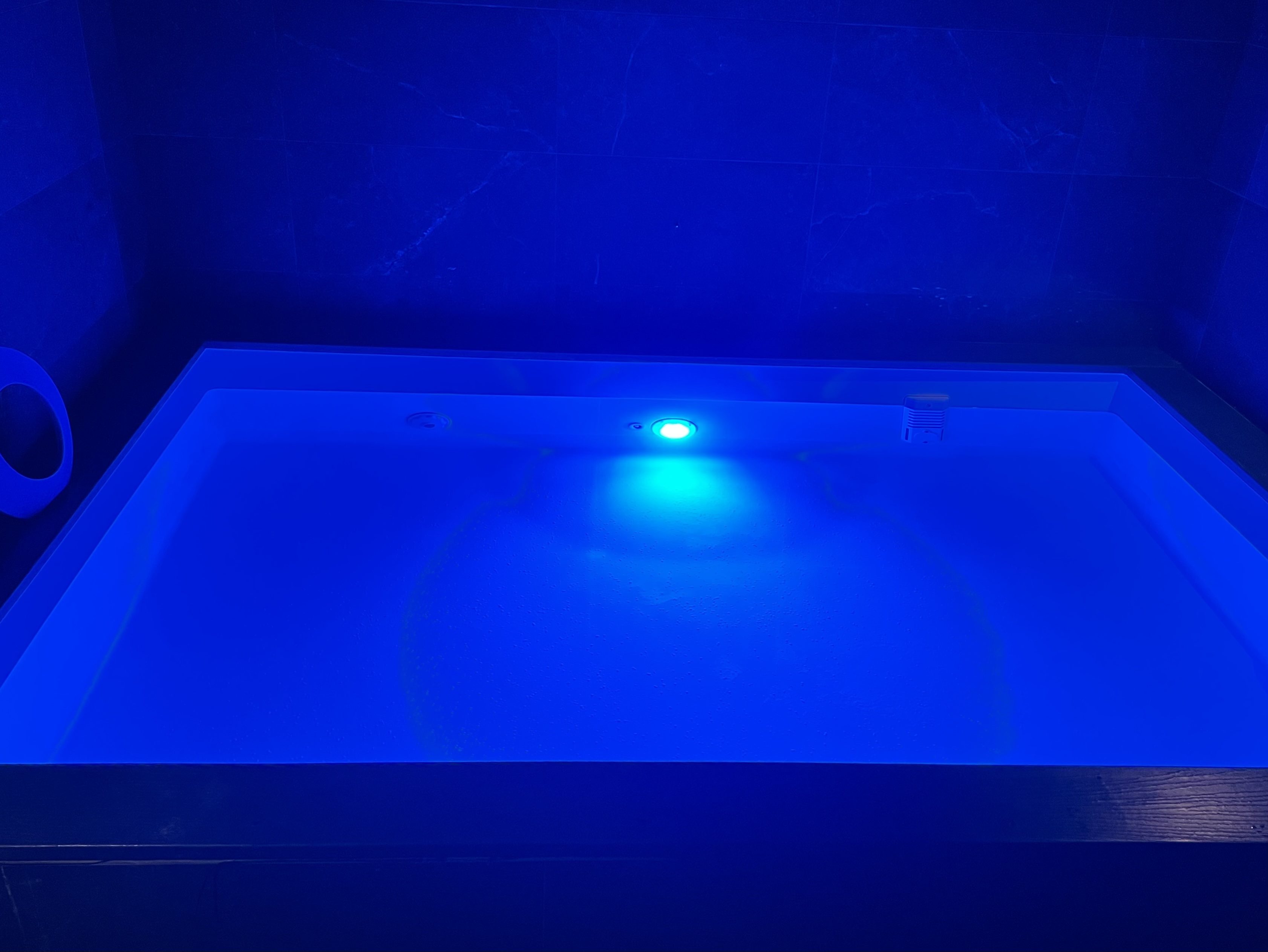
Instead of an enclosed tank, I found myself in a very spacious room with a shower on one side and a floatation pool taking up the length of the room. I was surrounded by blue light which I could turn off for complete sensory deprivation. Once showered, I stepped into the pool and immediately floated to the surface of the water. I chose not to have any music and turned off the light.

This may remind some people of solitary confinement and in a sense it was. I began a mindfulness of breathing meditation, where I counted each in and outbreath as one and then continued until I reached ten before starting at one again. I managed to focus for ten times ten breaths which roughly equates ten minutes before I lost track. I’m not sure how long I persevered with counting my breath before I fell into a deep sleep in zero-G.

Sensory deprivation is often used to reduce stress, relieve pain and help with concentration. When sensory input is minimised, it is easier to allow our parasympathetic nervous system to do its job and relax the body. It can lower the heart rate and produce a profound sense of calm. Sensory deprivation, especially when combined with high levels of magnesium sulfate (Epsom salts), can assist with muscle recovery and improved sleep quality. These are all sorely needed when we are always on the go, and my sore body sure appreciated the benefits.

A faint voice awakened me. I stirred, found the light switch and showered once more, washing the salt from my body. Heading to the lounge area, I encountered a number of slow moving, gently smiling people. After tea and a few quiet moments in the lounge, I opened the door and returned to the world outside; calm, rested, and savouring the silence within.

September Stirrings

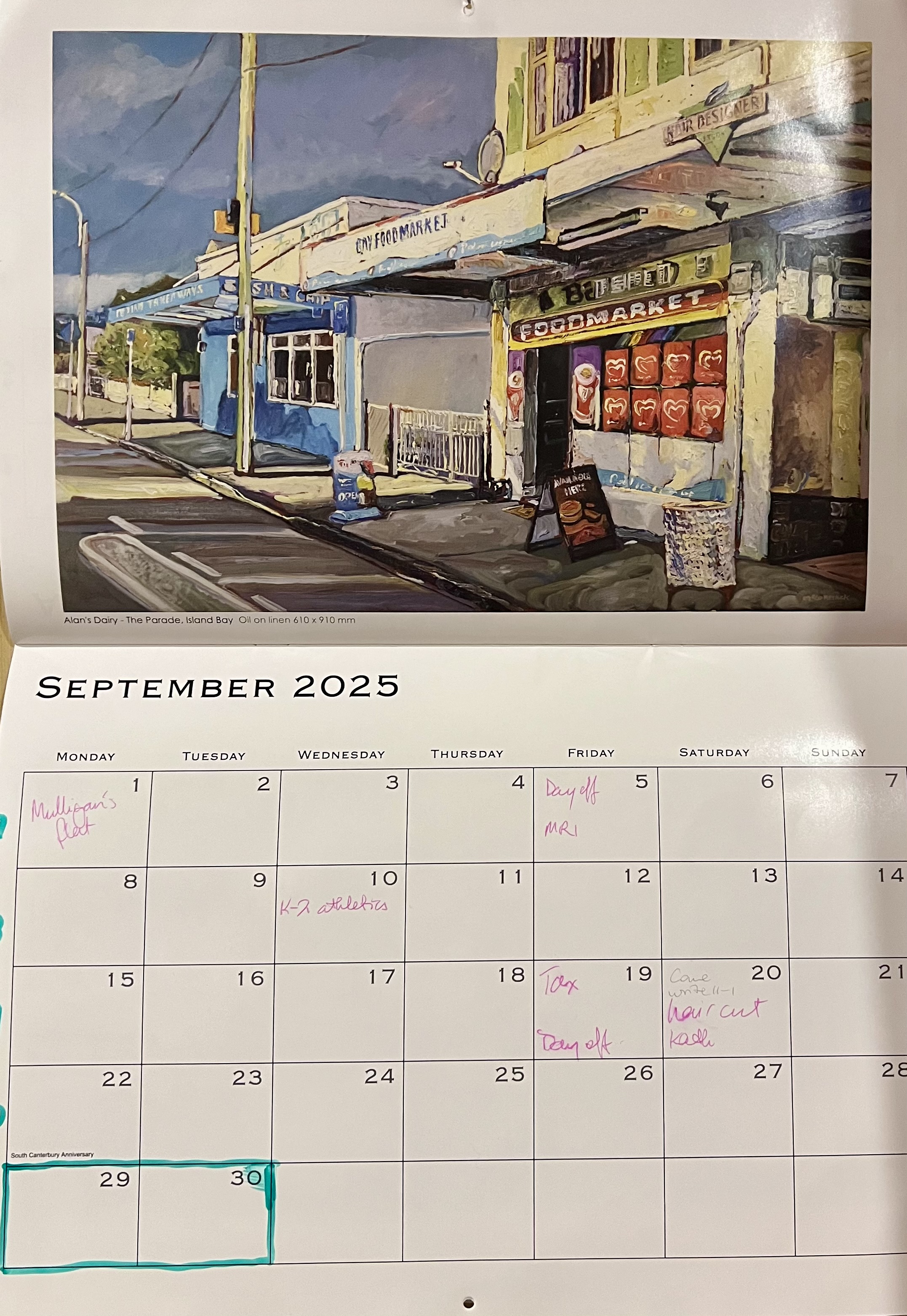
As September and my birthday approach, I become acutely aware that the year is heading into the final waning quarter. We race about exclaiming ‘where did the year go?’, like we have done every year before this and no doubt will in years to follow. But years come and go in days and hours, in the actions and inactions that we succumb to in the moment. At the time they seem such tiny decisions that they really don’t matter but when we add them up, those moments become minutes and hours and then days and months.

It reminds me of that small biscuit that can’t possibly make a difference yet over time adding up to extra kilos or the five dollars for a coffee that can add up to a substantial amount of money when invested. We often look for the big things that make a change in our lives when we should be looking at the micro-moments that have the real impact.

Recently, I have begun to question every one of my purchases. Do I really need it? Will I really use it? How much will it be worth to me in six months’ time? They are quite sobering questions, and I have found that many things are quite unnecessary. This has also allowed me to appreciate the things I do have. The exception to my newfound frugality is buying books, but even there, I have curbed my spending. In part, because I am running out of both shelf and wall space to accommodate them.

As I approach the last quarter of the year, I am disappointed with my lack of progress on some goals but at the same time, I am buoyed by the progress of others. On reflection, this sounds fairly normal. We dream big at the beginning of the year but then, getting through the day with all its demands wears us down little by little. In addition, like joker cards, life’s twists and turns can jolt our lives onto a different track altogether. 

I head into my birth month taking stock of this past year, what I can achieve as we sprint towards the finish line of 2025 and what lies ahead for me in the coming year. I’ll be a year older, none-the wiser, but feeling positive about some of the habits I have been developing. Spending less and living within my means is a basic tenet in life that I should have acquired decades ago but I am proud that in this season of my life, I am on my way to conquering my spending habits and learning to make the moments count. It turns out, the last quarter of the year, and of life, is also shaped by the smallest of choices.

Mornings, Magpies and Me

Some children are up at 6 a.m. full of beans, ready to play. They wake their bleary-eyed parents with laughter, chatter and joie de vivre. I was never one of these kids. I’ve been a night owl from the day I was born.

My mornings have always been hard. Getting out of bed is hard. Jumping in and out of the shower is hard. Facing breakfast is hard. Anything beyond a grunt is hard. The only thing that isn’t hard is taking the dog for her morning walk.

Although I bitterly resent it before I go, the moment I’m out in the park the day changes. I remind myself this is worth getting up for: the cool air on my face, the well-trodden track under my feet, and the dog cantering ahead like a racehorse.

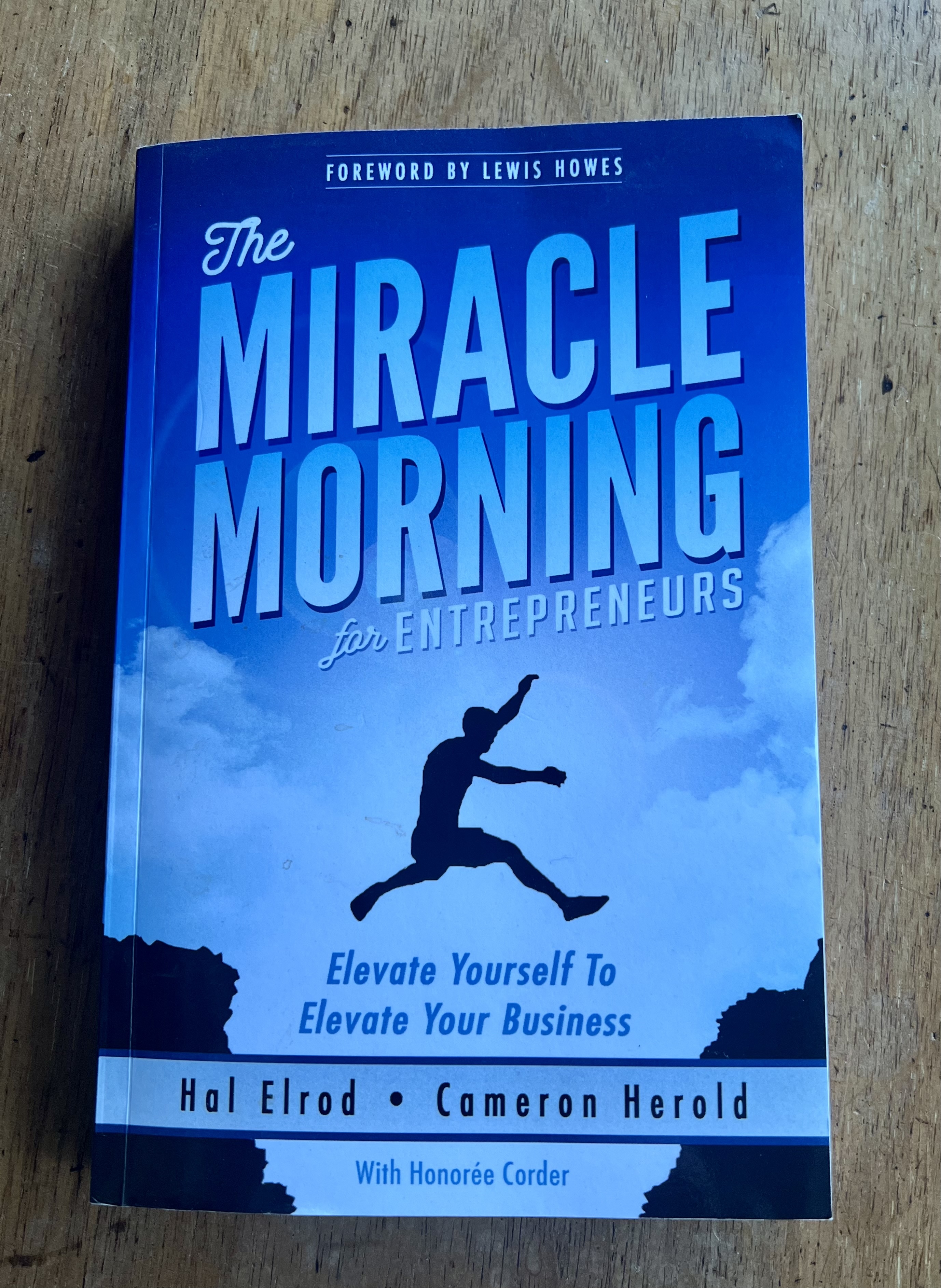
By this time, I’m smiling and have found my voice. I even enjoy meeting fellow walkers and saying hello. Yet the 45 minutes before the walk have been hellishly difficult. Why can’t I just skip the moaning and groaning and get to the good bits straight away? I’ve read The Miracle Morning, and each time I go back to it, I get all fired up about embracing the new habits it suggests. My enthusiasm, however, wilts the next morning when I actually have to put those lofty ideals into practice.

I now leave my phone in the kitchen and set my alarm so I have to get out of bed to turn it off. Great in theory. In practice, I’ve been known to yell ‘Siri, stop!’ loud enough for my phone to obey. When that hasn’t worked, the rebel in me has simply waited out the alarm with the doona pulled over my head. I can be ridiculously obstinate about getting up.

I’ve tried Mel Robbins’ five-second rule, but if you’re not committed, you won’t do it. I understand the theory (I always understand the theory) and for a while, when I’m all enthusiastic, it works. But inevitably, I slip back into bad habits.

This morning, I set my alarm 15 minutes earlier than I needed to and another for the right time. It let me hurkle-durkle for a while, letting thoughts amble lazily through my mind. With enormous effort, I stumbled out of bed and into the shower. Only when the warm water trickles down my face do I truly wake up. Until then, I’m a zombie condemning everything that crosses my path to hell and damnation.

I’ve always admired people who wake up ready to face the day. The world seems built for morning people. Life would be so much easier if I fell into line. But today, I’ve had a small win. I was out the door 20 minutes earlier than usual, and it made a huge difference. The dog had a much longer walk and I wasn’t in a hurry to get back. So instead of rushing, I enjoyed the magpies warbling and spotted a kookaburra perched on the overhead wire. I’d have missed this beautiful kingfisher on any other day. If every morning started with a kookaburra, I might stop arguing with my alarm. Might.

Bed Rest and Restlessness

I am an impatient patient. Bed rest is agony, not because of the pain but because I am railing against having to rest. Any other time, I long for a sleep in, a chance to have a leisurely morning, just not when I’m sick. Feeling unwell sends me into a spin of (mild) depression, feeling trapped and a sense of foreboding that I will never reemerge into the land of the hale and hearty.

I’ve had the luxury of a week off work. Was I pleased? Not a bit! I lay in bed checking emails, between coughing fits and fits of sleep. Things were happening without me running around. Everyone was coping but me. My colleagues were probably not even aware that I wasn’t there. I was superfluous.

Is this how retirement would feel? No longer needed, no one wondering what I was up to? I have always thought of the moment I leave as entering the land of milk and honey. I’d finally be able to do whatever I liked, whenever I liked. But would it be like this illness, stretching ahead without an end in sight?

Today I finally felt well enough to walk the dog and meet up with a friend. I came home, had a short rest and then proceeded to paint the laundry. First coat done, I had a longer rest before attempting the next tasks on my list. Is this what I have come to? Short bursts of energy to be followed by periods of rest before I can cope with the next item? Surely not!

Tomorrow, the second coat goes on and I have a shelf to assemble before the new washing machine arrives on Monday morning. I may then head out to the Christmas in July markets. I’m already feeling better just thinking of it. That fresh coat of paint will not only give the laundry a new lease of life but will also renew my spirits. Perhaps, I just need to find a new rhythm. One that fits in with what my body is gently trying to tell me. On the other hand, maybe I’ll hold onto that thought until at least Monday and let the sleeping dog lie on the bed. After all, I have a laundry to conquer.

The Miracle Morning Missed Me

Why can’t I get out of bed in the morning? Every night, my alarm is set on my phone and placed in the kitchen. I have chosen the most ear-piercing, shrill sound that I fear wakes my entire neighbourhood, but I still manage to roll over and go back to sleep. I have tried going to bed earlier, setting the alarm for as late as possible, setting it earlier to give myself more time, having a thermos of tea at my bedside, all to no avail.

The strange thing is that I’m not even comfortable in bed once I wake up. My hips ache, my bladder protests and still I lie there, convincing myself that ‘out there’ is not only less desirable but downright ghastly. It will be too cold and much too unpleasant. Yet when I finally get up, it is quite agreeable out there. The shower is warm, the world seems benign and when I take the dog for her walk, I can’t help but feel jubilant. The frost and silent fog are achingly beautiful. I wonder why I can’t return to this feeling to get me out of bed earlier. It would be so much more enjoyable to have an extra twenty minutes out in the park instead of lying in bed.

I never thought I’d say this, but I wish I were a morning person: someone who wakes up, jumps out of bed fully awake and ready to tackle the day. The type of person who is bright and chirpy, finds the first is hours of the day invigorating and gets things done before others are awake. It seems to make no difference whether I have six hours or ten hours sleep. I wake up bleary eyed, slightly grumpy and always at least a little more tired than when I went to bed. Luckily, my dog doesn’t mind me being monosyllabic for the first hour.

I have read ‘Miracle Morning’, ‘The Five Second Rule’ and various other books of the same ilk, trying to convince me that it is a merely a question of putting my mind to it. Lord knows, I have tried. I have even succeeded for a week or two at a time, but it was always a struggle, and I never felt full of energy. My rocket booster kicks in about 30 minutes before bedtime, which would be perfect timing if my job were midnight space travel, but not so great for a 6am start in the real world.

Many years ago, I taught English to Chinese students at a private college. It wasn’t a great job and for the most part I was deeply unhappy there. But there was one moment that has become a favourite of mine, an anecdote that resonates with every fibre of my being. A young man handed me his journal to be marked. The first sentence read, ‘I was alarmed at 7am.’  I simply couldn’t bring myself to mark it as incorrect.

When Your Body Says No

By mid-morning on Friday, I knew the blistering headache was here to stay. I kept pretending—a sip of water, a bite to eat, a can of Coke. Nothing worked. Then, by mid-afternoon, I wanted to get home as quickly as I could and by mid-evening I was in bed, bilious and head pounding. A migraine.

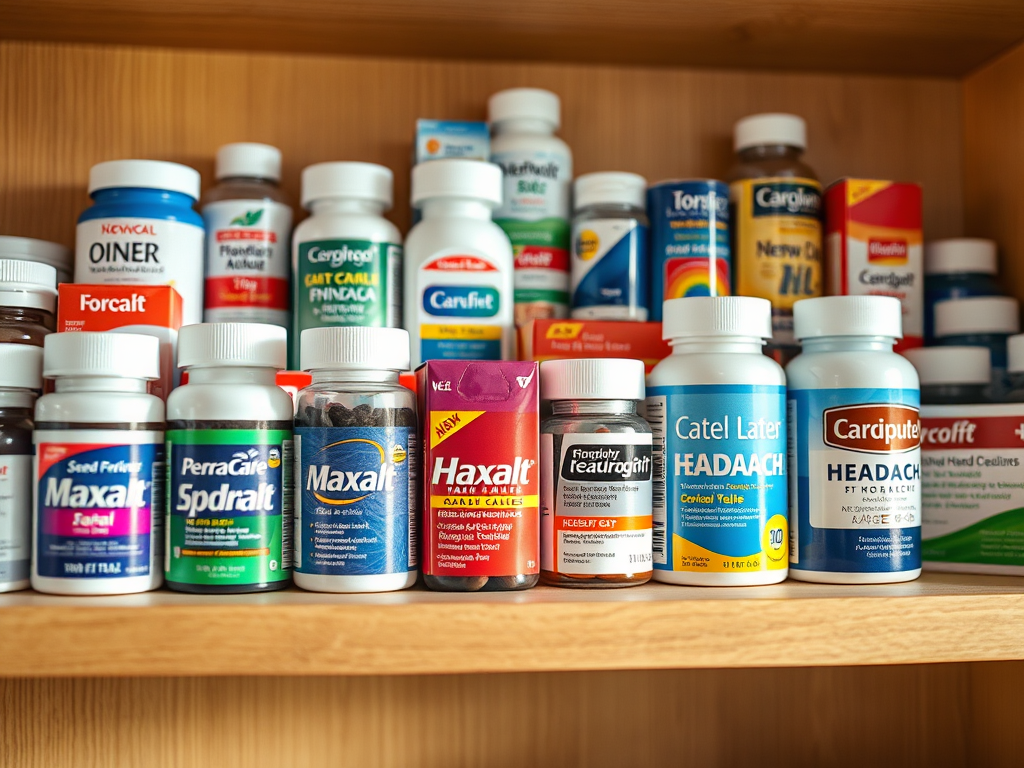
I haven’t had an attack as bad as this one for a long time. Since discovering Maxalt, I have been able to stave off the worst attacks. Unfortunately, I didn’t have a script with me and no tablets at home. During the worst of the pain, I tried to ‘ride the wave’. It wasn’t working. No matter how much I tried to relax, do yogic breathing or take my mind of it, the pain was unbearable. I had forgotten about this level of pain and how it had affected most of my adult life until about 10 years ago. Once or twice a week I would drive back from work, unable to turn my head. Once home, I crawled into bed and waited for my husband to arrive so he could make dinner and look after our daughter. This was how we lived our lives.

I had hoped not to pass on the migraine gene. Unfortunately, my daughter suffers from them as much as I used to. I texted her as the pain surged to a new level and she arrived with medication in hand, a sleeping pill and a cold compress for my head. I lay there as she tidied my kitchen and waited for the medication to take effect. I was incredibly thankful but couldn’t help but wonder about my declining years. Will it be her fate to look after me in twenty years’ time? It’s not what would ever want.

As far as migraine sufferers go, I am relatively lucky. Mine usually don’t last for longer than a day and I function well by the next morning. Not this time. For the past two days I have felt like there’s sludge moving through my body. I have a slight headache, stiff neck, back and hips, no energy and brain fog. Every plan I had for this weekend had to be shelved. This was going to be the weekend when I worked on projects, went out and did a thorough clean. All I managed to do is walk the dog, read a little and write a few words.

Tomorrow is Monday and I’ll be back at work. To be on top of my game, I need to relax, let go of the weekend’s frustrations and go to bed early. To stop feeling overwhelmed, I have compartmentalised my to do list. Some things will have to wait until mid-week, others until next weekend and the rest can go on the long finger or drop off the list altogether. Health isn’t just a priority—it’s the foundation for everything else. And this weekend, my body made sure I remembered that.

Aching for Attention

Recently, my body has been telling me to pay attention through aches, pains and annoying niggles. The message is clear; take heed, you are more than the mind and your thoughts. The physical form is just as important, ignore it at your own peril.

I have suffered from migraines for most of my life and they have often come about when I have pushed myself to the limit. Things like forgetting to eat lunch, sitting in front of a computer for hours on end, not getting enough sleep are just a few ways I have abused my body and while it faithfully keeps going for a long time, eventually it tells me to stop. Usually, it does so in a not-so-subtle way. That’s because it knows that only a sledgehammer will stop me.

I often find wild bruises on my legs or dried blood on my arm, and I have no idea how I acquired these. I brush off minor cuts or bumps as inconveniences only to discover later that they weren’t so minor after all. I am not proud of this. It comes from an attitude of considering my body as an inconvenience that I carry around with me. I see it as a limiting factor in what I try to achieve. So, I ignore it as much as I can instead of working with it or giving it the care it needs. If I am honest, it has been a lifetime of neglect.

The last week has been particularly tough on my body. I stupidly wore high heels to work on a ten-hour day when I had to run from one building to the next and greet people in an official capacity. By the end of the day, I was hobbling back to the car, in pain and exhausted. That night, I slept 12 hours. My body said ‘enough’.

I woke with a headache this morning and instead of reaching for pain killers, I reached for water. You’re learning, I thought. My body felt stiff, aching all over even after my morning shower. I looked at my to do list and promptly closed my diary. It could wait. Instead of pushing myself to get the next thing done and crossed off, I walked my dog to the local café, enjoyed a coffee and decided to honour my body with a massage.

After forty-five minutes of pleasure and pain, I thanked the Chinese masseuse and floated out onto the street. Colours seemed brighter as did my mood. Back home I approached chores with more energy and decided others could wait. I took the dog for another long walk and met up with some of the regulars in the park. Looking up at cotton ball clouds, I watched their shapes change. I noticed a colony of ants build a nest on the side of the path and I realised I was pain free and happy. All I needed was a little self-care and acknowledgment of my body.

Ringing Bells and Deepening Breaths: A Practice in Presence

Breathing, such a simple act. An involuntary function of the body that stays with us from the moment we come into this world to the moment we leave it. So why is it so hard to for us to master?

Like many people I know, my breath is shallow unless I pay attention to it. When I consciously think about it, my breathing slows and moves to my belly. At the same time, my shoulders drop, and I feel calmer after just two or three rounds. I am not meditating, just paying attention while I go about my daily tasks. Yet I don’t remember to do this simple exercise often enough.

Today I heard Jonathan Fields talk about the importance of breathwork. He starts his mornings with taking some inbreaths and then exhaling just a little longer. As he repeats this, the breaths naturally get longer, and the exhalation is also lengthened. This has the effect of calming his mind and starting the day feeling at ease. I think this is a worthwhile routine to incorporate into my morning.

The scientific reason why this works is that stress puts the sympathetic nervous system in charge, which activates the ‘fight or flight’ response. On the other hand, when we breathe deeply, we engage the parasympathetic nervous system which slows the heart rate and makes us feel relaxed. As our breath is always available to us, we can use it to help us regulate emotions.

I was reminded of something I always do when I hear bells ring. I stop and breathe consciously until I can’t hear them anymore. In Eastern meditation practices, the bell is always a reminder to return to the breath. This practice was easy to incorporate into my daily life in Europe where church bells often chime on the quarter hour. When I was teaching in a small town in Switzerland, the bells were always there to help me come back to my breath during the day. It made me present to that moment with my students. I miss hearing them in Australia.

So today, I set a gentle sounding timer for each hour of the day, reminding myself to consciously breathe, drop my shoulders and to move my body. I spend too much time in front of my computer and am unaware of the tension I hold. Now, I have an external reminder to bring me back to the physicality of my body and my breath. As Thich Nhat Hanh said ever so simply, ‘breathing in I calm my body, breathing out I smile.’

Going Under

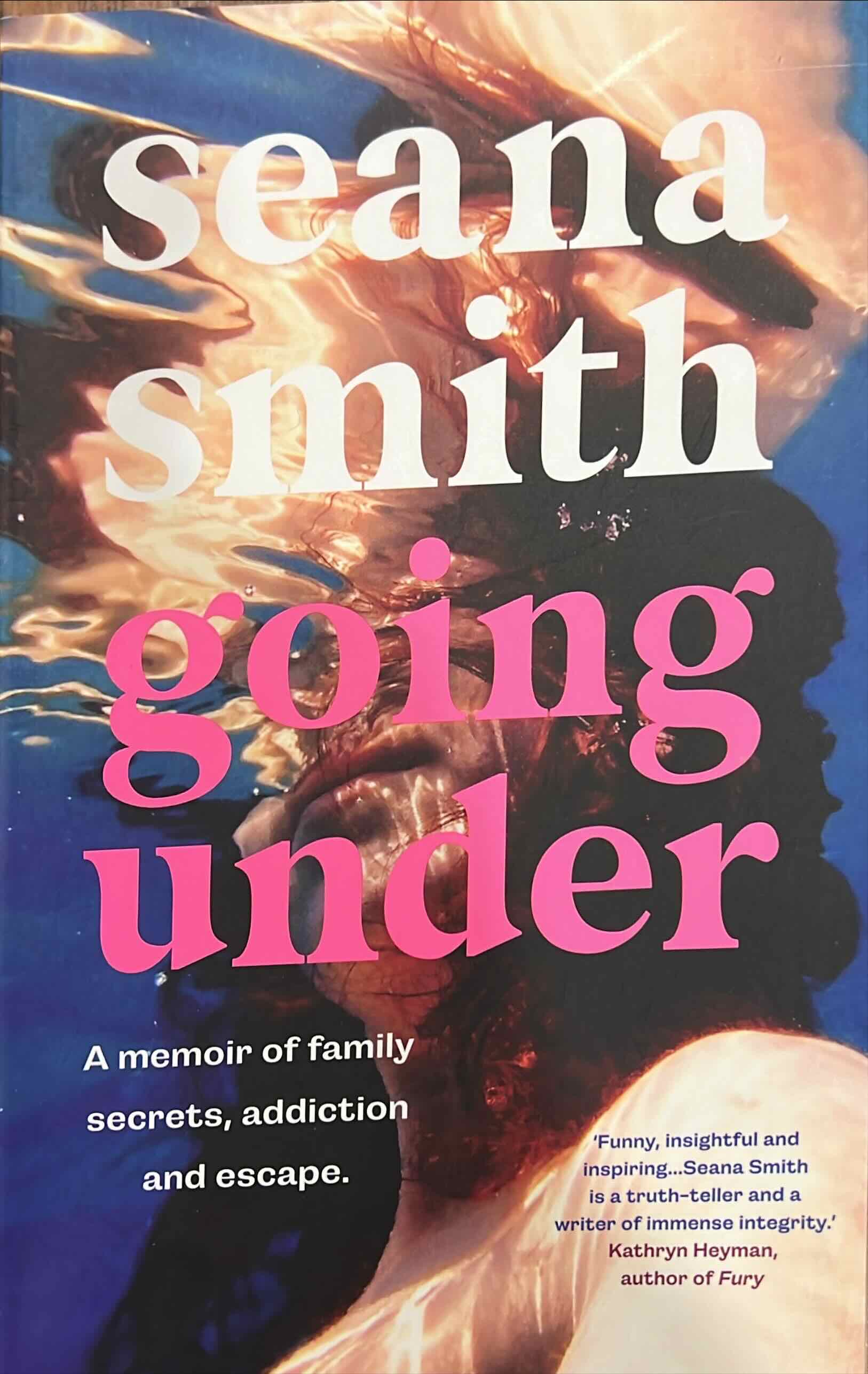
Last Wednesday, I drove to Orange for my friend Seana Smith’s book launch.  Writing is a solitary occupation, but once the work is complete, it’s time to emerge and celebrate. Going Under was published only a few weeks ago. There is nothing more joyful than a beaming author holding up a copy of their book in print.

I met Seana through the Central West Writers, a group of people who met monthly in various locations. We were both members for several years, even if we didn’t attend regularly. When we came together, we listened to writers read sections of their work, offer a suggestion or two and cheer them on. When we saw their work come to fruition as a published article or book, it gave everyone encouragement to keep going. Writers’ groups can be a beacon of hope when we are stuck in the messy middle.

Seana’s book, Going Under, is a memoir which fearlessly chronicles her lifelong struggle with drinking. Like so many people I know, she has dealt with intergenerational alcoholism and trauma. These scars run deep, but we can effect healing when we face our demons.

Growing up in Scotland, drinking was part of the landscape. Moving around the world and finally settling in Australia didn’t change that. Nor did being successful in a variety of high-profile jobs. As an extrovert, Seana likes company, and having a glass in hand livens up a party. But drinking was much more than that for her. After much soul searching, Seana’s struggle with alcohol has finally come to an end. ‘My life will be better if I never drink again,’ came to her like a mantra that she could not ignore. And for over four years now, Seana has become a champion for sobriety.  

Going Under is published by Ventura Press. If your bookstore doesn’t have a copy, you can always place an order like I did. Or you can listen to the book in her wonderful braid Scots on Audible.