A shared flame

Photo by Sixteen Miles Out on Unsplash

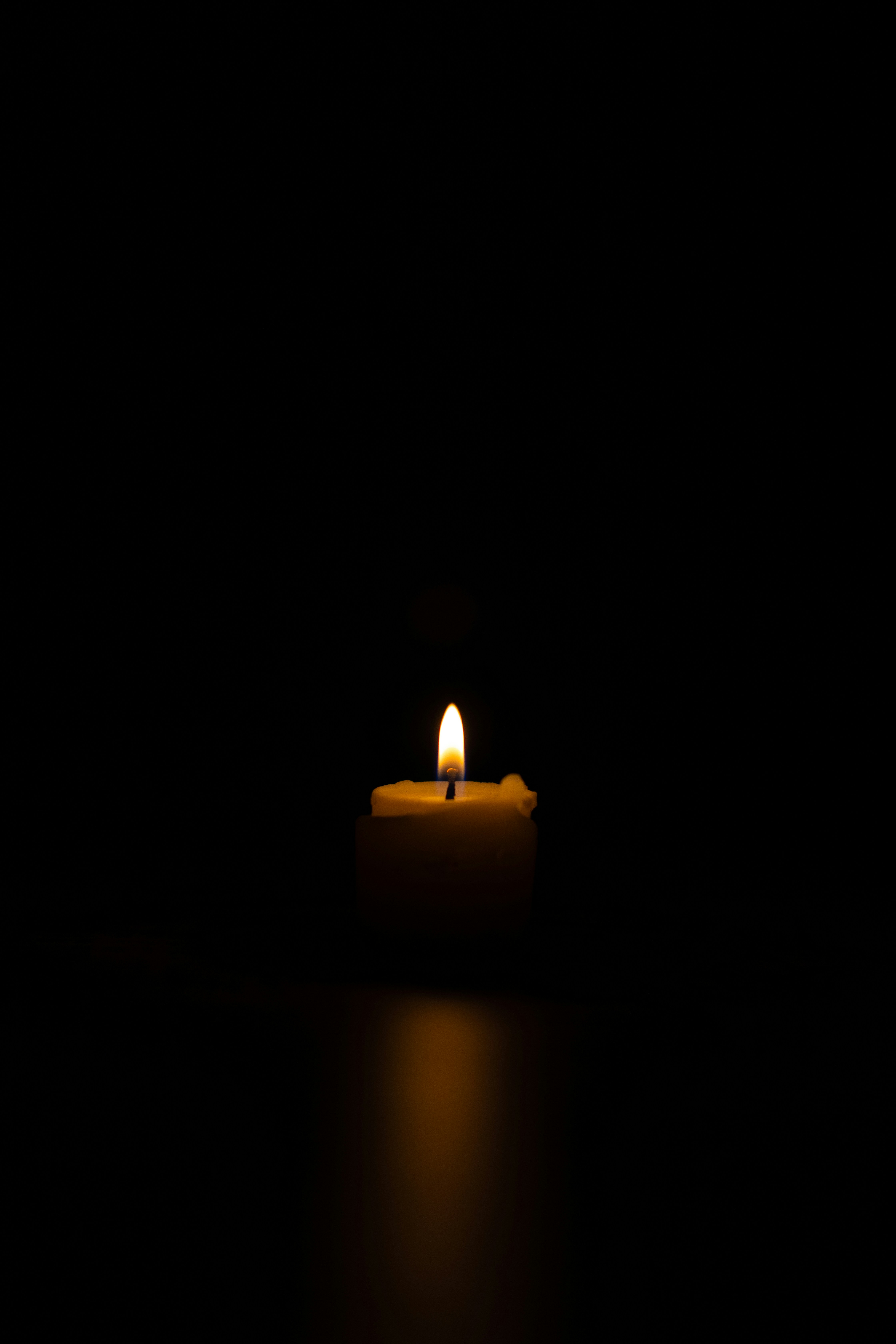
In the Christian tradition, Jesus is referred to as the light of the world. His birth, which is what we celebrate at Christmas, is heralded by a bright star showing the way to Bethlehem. During Advent, the four weeks before Christmas, a candle is lit on each Sunday in anticipation of Christmas. In Scandinavian countries, the Feast of St Lucy on December 13 is celebrated with the wearing of candle crowns, bringing light into the Advent season. Similarly, Yule, the pagan festival marking the return of light, is celebrated in the Northern Hemisphere at the winter solstice, the shortest day of the year.

In the Hindu tradition, the festival is called Diwali and it occurs at the beginning of winter to symbolise the triumph of light over darkness, good over evil, and knowledge over ignorance. Buddhists celebrate Vesak, marking the birth, enlightenment and death of the Buddha, with the lighting of lamps and lanterns. While there is no official festival of light in the Muslim tradition, lights and lanterns are prominently displayed during Ramadan and Eid.

And so we come to the Jewish celebration of Hanukkah. The eight days and nights of Hanukkah commemorate the rededication of the Second Temple in Jerusalem and the miracle of the oil used for lighting that lasted eight days, while the temple was fought for and won back from the Greek Syrian Seleucids who had defiled it. Over the years, Hanukkah has come to symbolise resistance against injustice and oppression or, to put it another way, good vanquishing evil.

As humans, we are drawn to light for safety, warmth and the provision of food. Is it any wonder that light, especially candlelight, is a shared symbol across cultures? Light has always been a metaphor for all that is good and just in our world. This is why the murderous acts at Bondi Beach were such a shock for us all. Both secular and religious Australians wish each other joy and peace for the year ahead. We believe that good will triumph over evil and, as Martin Luther King Jr. said, ‘darkness cannot drive out darkness; only light can do that. Hate cannot drive out hate; only love can do that.’

This Christmas, let us all light a candle for our brothers and sisters as a sign that we will not allow darkness to prevail.
A High-End Wrap for a Low-Key Lunch

Packing a simple cheese sandwich should have been the easiest part of my day. At the Airbnb where I was staying, I had all the ingredients in a small bar fridge. Once assembled, I looked everywhere for a scrap of paper or cling wrap for my sandwich. Apart from toilet paper, there was nothing even vaguely suitable. While potentially amusing, I couldn’t face the toilet paper option. It reminded me too much of Barry Humphries eating a tin of pea soup out of an airsick bag on a flight to London. Funny but deeply disturbing.

I decided to opt for a more pedestrian alternative. While out for dinner, I went into a Lebanese corner shop which had a good selection of essentials. I walked down the aisle which sold every variety of dried pulses known to humankind and kept my eye out for cling wrap, foil or sandwich bags. I reached the back of the shop and was about to turn back empty handed, when I noticed both cling wrap and aluminium foil on the bottom shelf. Success! All I had to do was choose between them.

As I leant down, I noticed a much smaller packet of aluminium foil than the one I usually bought. I only wanted to wrap a sandwich, so I thought it’d be more economical to buy the smaller one. I was aghast when the cashier charged me $10. Highway robbery I thought, but dutifully paid the amount.

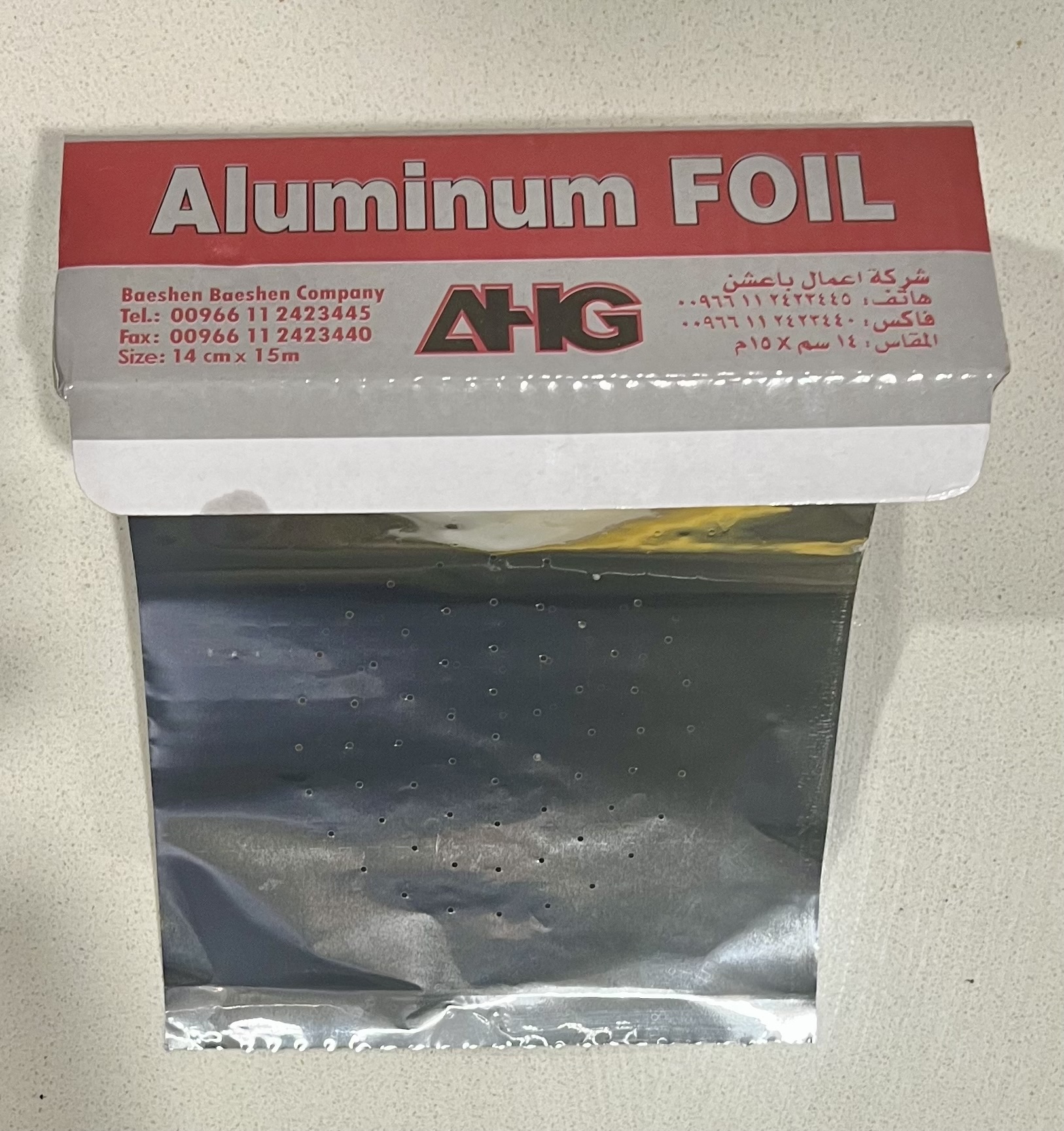
Back at the Airbnb, I made my sandwich for the next day. Opening the Aluminium foil, I was surprised to find it had perforated lines at regular intervals for easy separation. These were roughly the size of toilet paper squares. Perhaps, I should have stuck with my original choice of wrapping, I thought. It certainly would have been much cheaper. Then, I noticed small pin-pricked holes in concentric circles on each of the sheets. Moreover, the foil was quite thick, much thicker than the stuff I had at home. Clearly not meant for a sanga wrapper!

Suspicious, I began to Google the mysterious foil. Nothing on the box gave a clue as to its intended use. I wasn’t getting anywhere. Finally, it occurred to me to take a photo to see if Google lens could assist. And there it was:

‘Discover the ultimate hookah experience with the AHG Premium Shisha Foil Roll.’

I was about to wrap my sandwich in premium shisha foil!

Four sheets were ample for the job. Best of all, I could reuse the foil again and again. The stuff proved indestructible. Yet now that I’m back home, I find the cheaper foil much easier to use. And, as an added bonus, I don’t have to explain myself in the lunchroom the next day.

Boxing Day: Box it up!

You don’t have to be a minimalist to want to declutter your life after Christmas. We, who are lucky enough to live in wealthy countries, have more than our fair share of possessions and after a while, the sheer volume of it makes us feel stifled. Never more so than after Christmas, when even more things come into our homes, not all of it is welcome.

Generally, I try to give presents that are consumables like special items of food or at least useful around the house. I do make an exception with a friend with whom I exchange ridiculous gifts, but even these are practical. I don’t get hung up on whether things I give get re-gifted; if I got it wrong, let someone else enjoy it! Nor do I mind giving money if I know it is the best gift for the person.

I find it difficult to fathom that people would want to go out and spend more money on Boxing Day sales, unless, of course, there is something very special that they have been waiting for. For me, Boxing Day is a good day to begin the purge and box up all the things I no longer need. I go through my wardrobe and ask myself honestly whether I have worn that item in the past year, whether it still fits me and whether I still like it. If the answer is no to any of these questions, it gets folded and put into a box. I also go through my linen cupboard, shoes, kitchen utensils, herbs and spices, and food items at the back of the cupboard. The only thing that escapes my scrutiny is books. We all have our weaknesses.

While I am by no means a loyal follower of Marie Kondo, there is some truth in what she has to say. Although, she too has changed her tune somewhat since she has had children. She is less rigid and acknowledges the inevitable clutter that comes with raising kids. If you have children, you will need to be much more flexible with your approach to clutter. Still, you can go through clothes that no longer fit and toys that no longer hold their interest. Box it up!

Those of us who don’t have young children in our care need to think about the things we have accumulated and whether they will help or hinder us when transitioning into the next stage of our lives. Moving from a house to a small townhouse at the beginning of the year has certainly taught me about which things spark joy and which things spark nothing but trip hazards. There is only so much that fits into that container, which we refer to as our home.

I am not advocating Swedish Death Cleaning either. As far as I’m concerned, if someone benefits from receiving my inheritance, let them clean up after me. No, I am advocating doing some decluttering for ourselves. We will be the beneficiaries of a place where we can easily find things and where we can walk to the bathroom at night without encountering an obstacle course of our own making.

Let Christmas Day be about giving and receiving. Enjoy the presents, the food, and your loved ones. Then, when Boxing Day comes, and you look at the mess that’s left behind, take out the boxes and begin sorting. Come the New Year, you will be so thankful you did.

Liminal living

The period between Christmas and New Year is betwixt and between. On the threshold adjoining the old and the new, it is a time of transition and much uncertainty. It is a time for introspection and taking stock of the year past and making plans for the year to come. On one hand, we know it is an arbitrary marker of time, on the other we eagerly await a new ‘beginning’.

This period can be disorienting. We hardly know the day of the week as one day flows into the next. We are both restless and grateful for a chance to slow down. Family ties are strengthened or strained. Sometimes both at the same time. We nibble on leftovers, go to bed, rise at odd times and may have visitors staying for extended periods. Or we may be the visitors wondering whether we have overstayed our welcome. Time stretches, attenuates, and warps which gives this interminable interval such a nebulous almost dreamlike quality.

I too am hovering in this in liminal state. I am ready to move house, but that time hasn’t arrived. Shelves have been emptied and boxes are packed and I am in limbo. My spirit has left this house but not yet arrived at its next dwelling. It is what I imagine purgatory is like – neither here nor there. I am restless, in a state of flux, a fluid, fitful phase which objectively will be over before I know it. In the meantime, I feel as if I am stuck in eternal twilight, like a somnambulist caught in that transitional state between sleep and wakefulness.

Christmas Cake Pt 2 – recipe

(Based on David Herbert’s fruitcake)

Ingredients:

250g block of unsalted butter

1 cup brown sugar (adjust to taste)

¾ cup of brandy

½ cup of water or orange juice

1 kg of mixed dried fruit

100g mixed peel

100g of crystalised ginger (if your recipient likes a bit of a bite), if not, replace with 100g of more fruit or glace cherries or whatever you know your recipient likes

5 well beaten eggs

2 decent tablespoons of treacle

Zest of one lemon and two oranges (you can use the juice instead of water)

1¾ cups of plain flour

½ cup of self-raising flour

1 teaspoon of bicarb

2 teaspoons (or more) of mixed spice

200 g almonds (half to go into the cake and half to decorate)

A heaped cup or two of love and appreciation

Method:

Bring the person to mind for whom you are baking.

Use a large pot.

Chop the butter and heat with sugar, brandy, water or orange juice, mixed dried fruit, ginger, and mixed peel. After it comes to the boil, simmer and stir. Cook on gentle heat for at least 10min.

While mixture cools, preheat the oven to 150 Celsius. Grease or spray a 23cm round tin or use a square tin of roughly the same proportions. Line with baking paper and leave a generous amount extending above the tin.  Chop about half of the almonds.

Once the mixture is cool, add eggs, treacle, lemon and orange zest. After stirring, sift in the flours, bicarb and mixed spice. Stir until all the flour is absorbed. Add the chopped almonds and stir. Add the heaped cupful of love and appreciation and keep stirring.

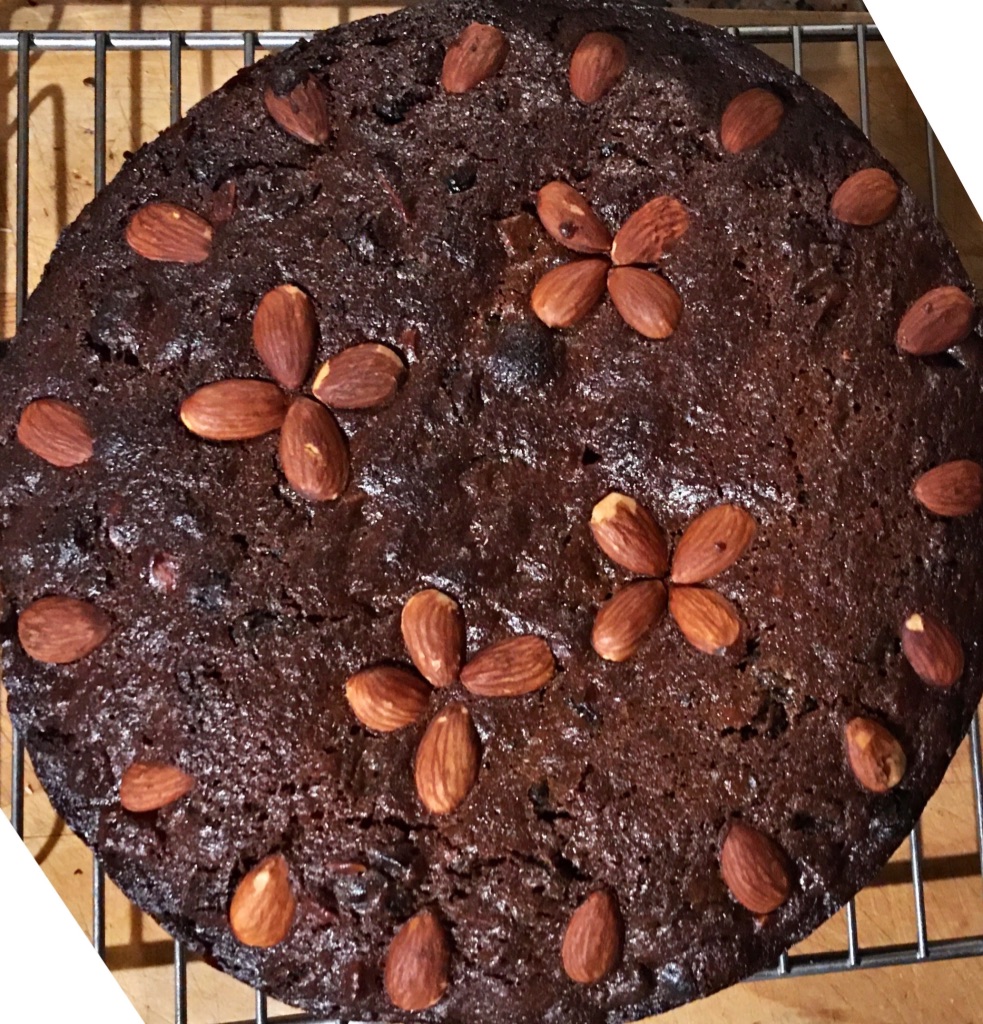
Spoon the mixture into the prepared tin. Make the top of the cake nice and flat and decorate with the remaining almonds. I usually make a flower pattern. Fold some brown paper into thirds and wrap it around the cake tin so it sits a good 5cm or so above the top of the tin. Tie with twine. Bake for 2 to 2.5hrs. Turn the cake after about an hour so it cooks evenly. Check with a skewer after 2hrs. Cool on a rack and wrap in foil. Write the person’s name on the foil and give thanks for their presence in your life.

Night Owl

I have always been a night owl. Always. My mother attributed this to giving birth just after midnight. According to her, my body clock never readjusted. While I don’t believe this explanation, I have often wondered what makes 20% of us who are naturally nocturnal swim against the tide in those dark and murky waters of the night. 

I secretly admire morning people. They wake up, get out of bed, and start their day. I wake up, prise open my eyes and exhaust my daily allocation of self-discipline just to haul myself out of bed. No wonder I am unable to resist any temptation after this mammoth effort; I have nothing left in the willpower tank by 8am.

Yet I can get up if I must. I spent a year in Switzerland getting up at 5:15am so I could catch the 6:03 bus to work. However, I still got my second wind at night and never went to sleep before midnight. Even then, I had to force myself to go to bed because I knew the price I’d pay in the morning. There were plenty of nights when my carriage turned into a pumpkin as I crawled into bed past any sensible bedtime. I still refer to midnight as pumpkin time and do my best to get to bed by the stroke of twelve.

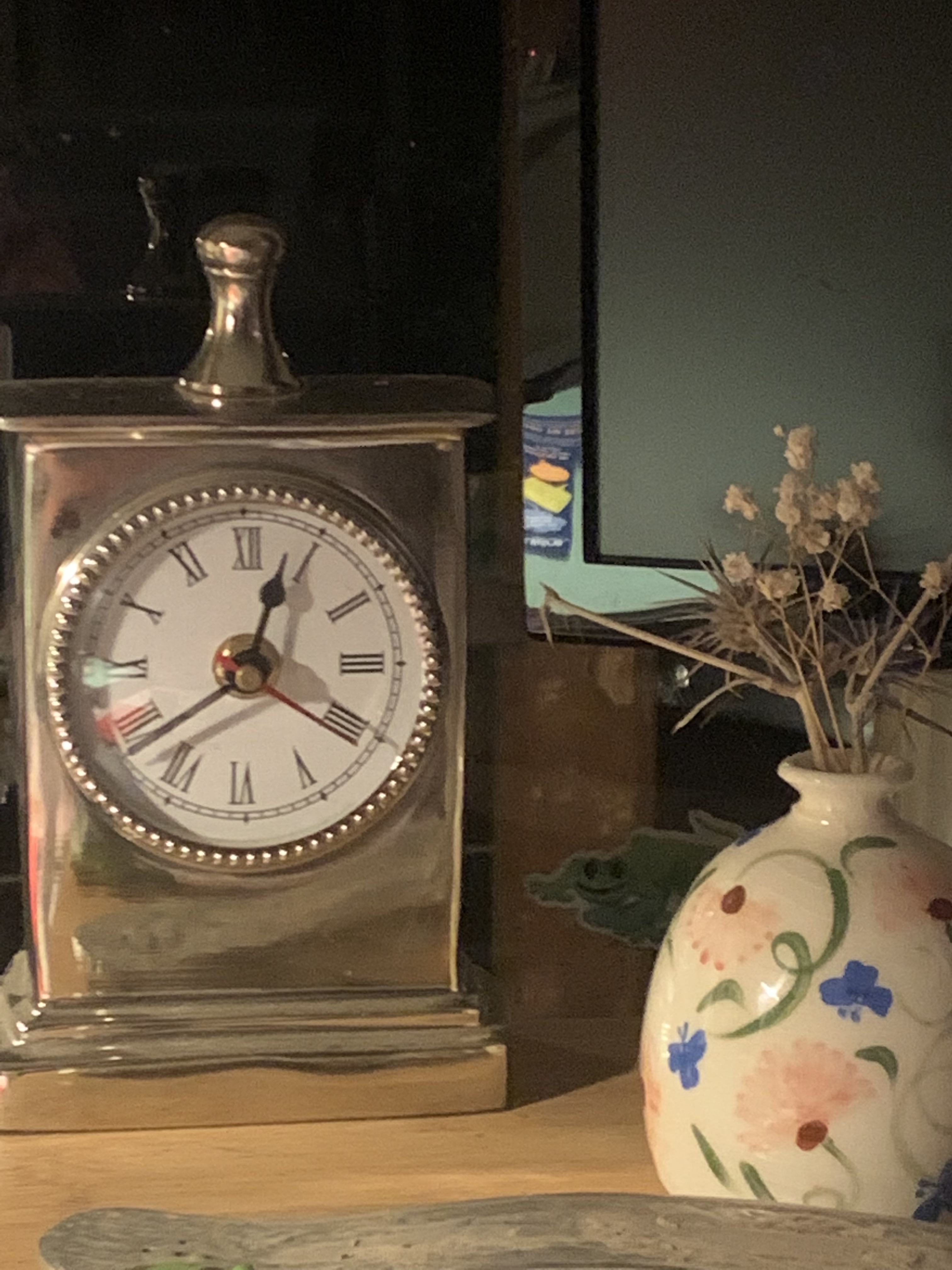
The moment holidays arrive, my body clock reverts to its preferred circadian rhythm. I can happily stay up and be productive until one or two in the morning. If I am in a state of flow, I can keep working into the wee hours without feeling tired. I love the quiet of the night and the inky black view from my window. Neighbours as well as their dogs are asleep and rarely does a car disturb the peace. The only sounds I hear are the ticking of a clock, the occasional train in the distance and that damn mosquito after my blood. 

Sometimes I feel like a left-handed person in a right-handed world. Everything is geared towards morning people. Most of our jobs, schools, shops, and any admin tasks that require talking to a real person have to be done within ‘business hours’. Admittedly, I can do my banking at four in the morning, but I would find it hard to buy stationery at that time. And then, just to rub it in, there are those super-efficient, maddening people who schedule meetings at 8am. They turn up not only wide awake but are also coherent. Meanwhile, I am slumped over a cup of tea, grunting and nodding my head at what I hope are appropriate moments. As a rule, I’m monosyllabic until 10am.

I have tried to readjust my body clock, I really have. I even bought two years’ worth of morning journals! As I am a self-help junkie always looking for a quick fix, I haven’t quite given up, even though I am onto my third iteration of the journal. According to conventional wisdom, it takes 66 days to start a habit, but I have been going for well over 180 days without success. I have listened to podcasts, read the Miracle Morning and other classics in the oevre, but my body refuses to yield. I am sure these books were written by the 80% who cannot fathom what the problem is in the first place.

Luckily for me, we have reached the Christmas holidays. I give my body permission to do what it does best, namely fall back into ‘bad habits’. I look out the window and see moths do-si-do on the glass pane. Like me, they are attracted to my desk lamp. It is a completely calm night, nothing stirs outside. Once more, I become aware of the clock ticking. Blissfully quiet hours have passed. And so it is Christmas. There is no better way to celebrate than to sing a hymn to honour the magic of this night.

Stille Nacht

Stille Nacht, heilige Nacht,
Alles schläft; einsam wacht
Nur das traute hochheilige Paar.
Holder Knabe im lockigen Haar,
Schlaf in himmlischer Ruh!

Silent night

Silent night, holy night!
All is calm, and all is bright
Round yon Virgin, Mother and Child
Holy infant so tender and mild
Sleep in heavenly peace

Christmas Pudding

Remember to soak in brandy and flambé!

I am the sole heir of a Christmas pudding recipe handed down through the generations. While Margaret was alive, she referred to it as her family’s secret recipe and I was the only person with whom she shared it. Over the years, I have faithfully followed the recipe and have delighted many friends both in Australia and overseas with this traditional Christmas treat.

I always think of recipes in terms of the person who shared it with me. Each time I make a dish, it is infused with love for, and memories of, the person who was kind enough to share their skill and knowledge with me. It is a true act of friendship to hand someone the gift of a great recipe. I hardly ever use commercially printed cookbooks, but I always return to the scraps of paper with scribbled recipes that friends have shared. Not only does it bring joy to think of people who have accompanied me at points in my life, it also brings joy to the people who are in my life now. A recipe is a gift of paying it forward.

I have never cared much for keeping secrets. Now that I am the sole guardian of Margaret’s Christmas Pudding recipe, I wonder about the felicity of the secret. Imagine if our forebears had kept recipes for bread or wine a secret. Would we have national cuisines if all recipes were fiercely guarded or just family feuds over the best dishes?

I don’t want to be the last in line to make this adaptation of a great Christmas pudding. The recipe is too good for that. My apologies darling Margaret but the secret is out.

                                                Christmas Pudding

6 oz breadcrumbs
2 oz flour
4 oz butter
½ lb sultanas
½ lb currants
4 oz raisins
2 oz glacé cherries
1 tsp nutmeg (freshly grated)
½ tsp mixed spice
½ lb brown sugar
2 eggs
¼ pint stout
½ cup grated carrots
1 tsp marmalade
½ cup warm milk
Juice and grated rind of 1 lemon
1 tsp bicarb

Mix butter and sugar until smooth. Mix all dry ingredients except spices and bicarb. Dissolve latter in warm milk, add lemon juice, rind and add beaten eggs and stout. Mix all ingredients together. Cover and leave. Stir again and if dry, add more milk and stout.

Cook for 5 hours in buttered pudding container with a tight lid, lined with grease proof paper. Serve hot.