
Dakers Oval – Blayney

A small patch of mossy grass stands apart from weeds around a fenced oval. On the spur of the moment, I take off my sandals to feel the spongy softness under my soles. It has been a long time since I have taken off my shoes to walk in grass. In my own backyard there are bindis, thistles and countless other weeds that have invaded the lawn. But here, on this small patch, I stand and feel a spongy softness under my soles. I am reminded of times in my childhood when I would find a clearing in the woods and lie in a meadow of wildflowers, protected by tall trees and the birds of my youth. There were the chatty finches, the trill of blackbirds, monotone thrushes, and the incessant hammering of the woodpecker. I close my eyes and listen. Here there are magpies warbling to one another, repeating a melody that echoes across the field. They are accompanied by the incessant chirping of crickets, who provide a high-pitched drone above which the birds improvise their songs.

It is hard to believe I am standing no more than a hundred meters beside a large carpark and local supermarket. The dogs I am walking sniff the ground and roll with unbridled pleasure in a smell only they can identify. Their joy is palpable as they leap and chase each other around a field beyond the cricket pitch.

There are not many small places like this left where dogs are welcome. Ironically, it is more difficult to find open spaces for dogs in the country than in the city, where dog owners congregate in groups with their much-loved pooches in suburban parks. Still, I’m happy to have my own company without the intrusion of other peoples’ chatter.

Between the fences and the farms just beyond this small green space is where the Belubula river meanders, making its way to feed into Carcoar dam and flow on to Canowindra and eventually into the Kalari or Lachlan River, near Gooloogong. One of my dogs throws herself into a creek that feeds into this river, not for a swim but to wade and cool down. She heaves herself back up the bank, shakes and rolls in the dirt to dry off. For a moment I think of the back seat of the car, but I could never deny her the pleasure of a dip on a hot day.

Near the entrance to this precious piece of council land, I find discarded cans of ‘Mother’ and the plastic packaging of Arnotts Kingston biscuits. On previous walks I have seen young workers from the supermarket sit here to have their break, smoking, laughing, enjoying a little freedom. I’m saddened that they don’t look after this place, a place of refuge from stacking shelves or serving on checkouts. After all, they choose to come to here rather than the carpark where there are plenty of seats close by. Something must draw them towards this spot, surrounded by trees, birds and the burbling creek. Are they hoping that someone like me comes to pick up their rubbish or are they content to sit in their small, soiled nest?

I walk twenty meters to place the rubbish in the bin provided and decide not to let their actions befoul the pleasure of this scenic stroll. After all, it is a magnificent morning to be walking on this lush land.
The Blayney Agricultural Show

Before I moved to the country, the only agricultural show I had ever visited was the Royal Easter Show. As a child I went along for the rides and as an adult, I went to take my daughter. I never paid much attention to the agricultural displays and probably only watched the sheep dog trials.

Since I have been in the Central West of NSW, I have been to at least one if not three shows each year. Admittedly, I first started going because the children at my school had entered artwork but once there, I began to understand that each town’s show has a slightly different flavour and that the locals have great pride in the competitions they run on the day.

The Blayney show was founded in 1878 and this year was the 144th annual show. Not even Covid could stop the show. Somehow, they managed to run the event just before the lockdowns of the past two years.

Volunteers run the show year in, year out. I have met members of the organising committee who have committed their time and organisational skills for decades. It is mainly retirees who volunteer on the day, and many are glad to share a story or two with anyone willing to listen.

I missed the sheep dog trials in the morning, but I did see the pedigree dogs lining up to be judged. There were some stunning dogs among them and of course some that I couldn’t quite warm to. What I did enjoy was watching young girls handle their dogs expertly in the ring as they competed against seasoned adults. It must take a lot of work and courage to prepare for such events.

While there were no boys entering their dogs, there were plenty of young chaps handling cattle. They all wore cowboy boots, checked shirts and large hats, emulating their fathers. Even their walk was the swagger of an older man as they made their way to and from the sheds. While amusing on one level, it did display the strongly gendered roles that are still evident out in the country.

There were stunning horses of every colour with coats that glistened in the sun. Their tails were either beautifully brushed or plaited. Horses are magnificent creatures to watch and once again, there were many young people who were entering these events.

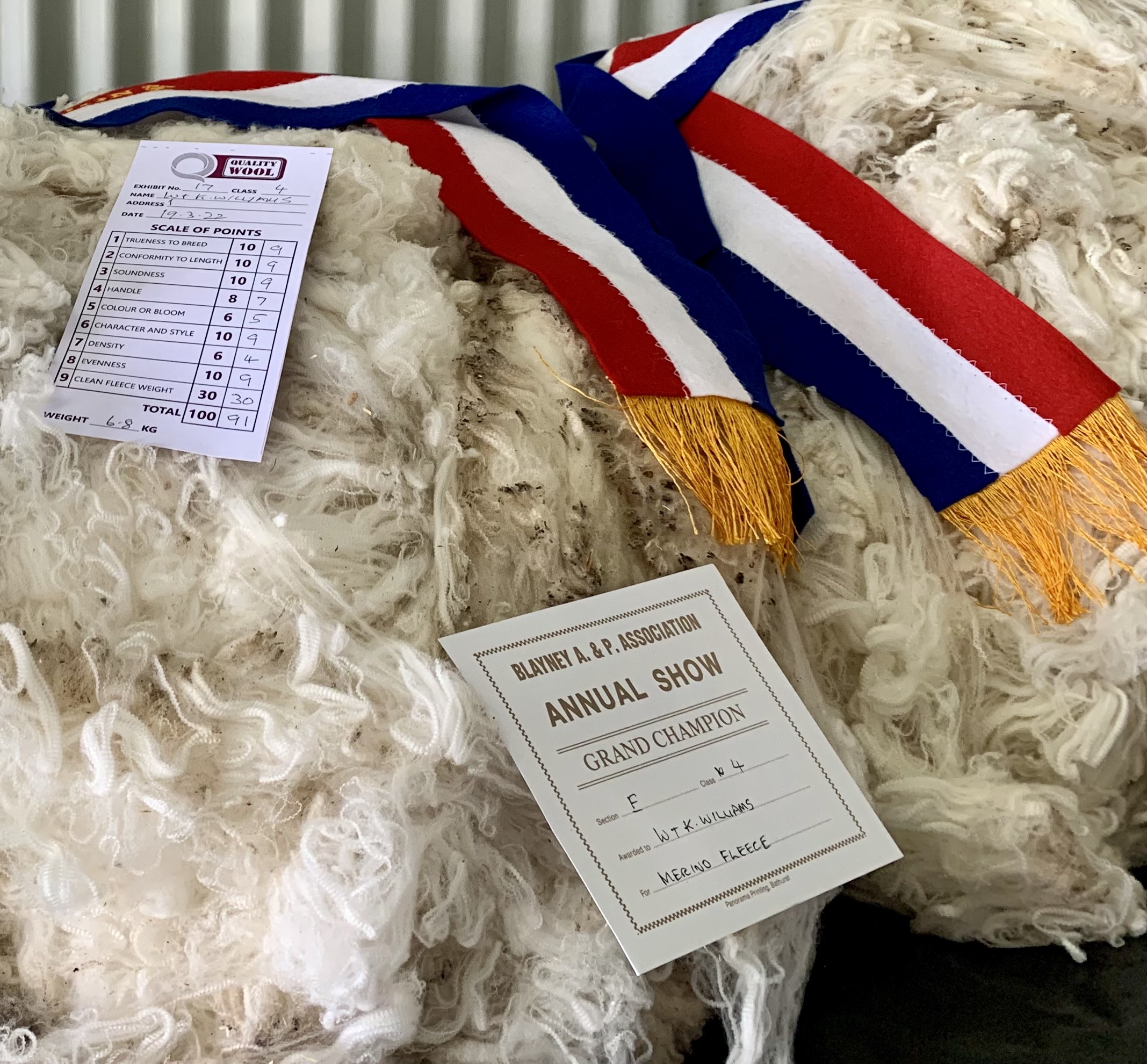
I found it fascinating to walk through the wool, vegetable, and poultry sections. There were ribbons on some entries indicating a first or second prize. I often couldn’t tell the difference between one bird or another or one fleece from the other. I don’t understand the judging criteria nor what to look for in these categories. These are clearly specialised skills that people have developed over many years.

I am but an outsider looking in at a tradition which I don’t really understand. I saw people catching up with each other, possibly for the first time since the last show and appreciate that these shows build social cohesion in a community. I also saw many older people volunteering and exhibiting but also some young ones taking an interest in the competitions. I wondered whether the younger generation would continue to volunteer their time and build up the skills needed to run the show.

Judging by the number of cars and the crowds, the attendance was high. But money is tight, and I saw many stall holders without customers to buy their wares. There’s also the issue of a changing population. Some country towns are in steep decline while others have become popular with urban dwellers looking for a different lifestyle. These ‘blow-ins’ are a bit like me, they have come from the city and have made a choice to live in the country where the pace is slower, the air is clean and property prices are still somewhat affordable. I wonder whether they will embrace the traditions of the bush or see them as a quaint hangover from yesteryear.