Floating My Way into Calm

The first time I encountered a floatation tank was in Melbourne sometime in the 1990s. Back then, they were small pods which could either be closed completely or left ajar for those who suffered from claustrophobia. I didn’t know what to expect and found the experience relaxing but rather boring. It was also before I learnt to meditate.

On a whim, I decided to book a 60-minute floatation experience. I reasoned that if I fell asleep during an MRI, I would find floating in an enclosed tank relaxing. I booked into the nearest ‘Wellness Centre’ and a calm young woman met me at the front counter. The process was explained via a short video on an iPad; she then offered me a cup of tea and took me to the floatation room.

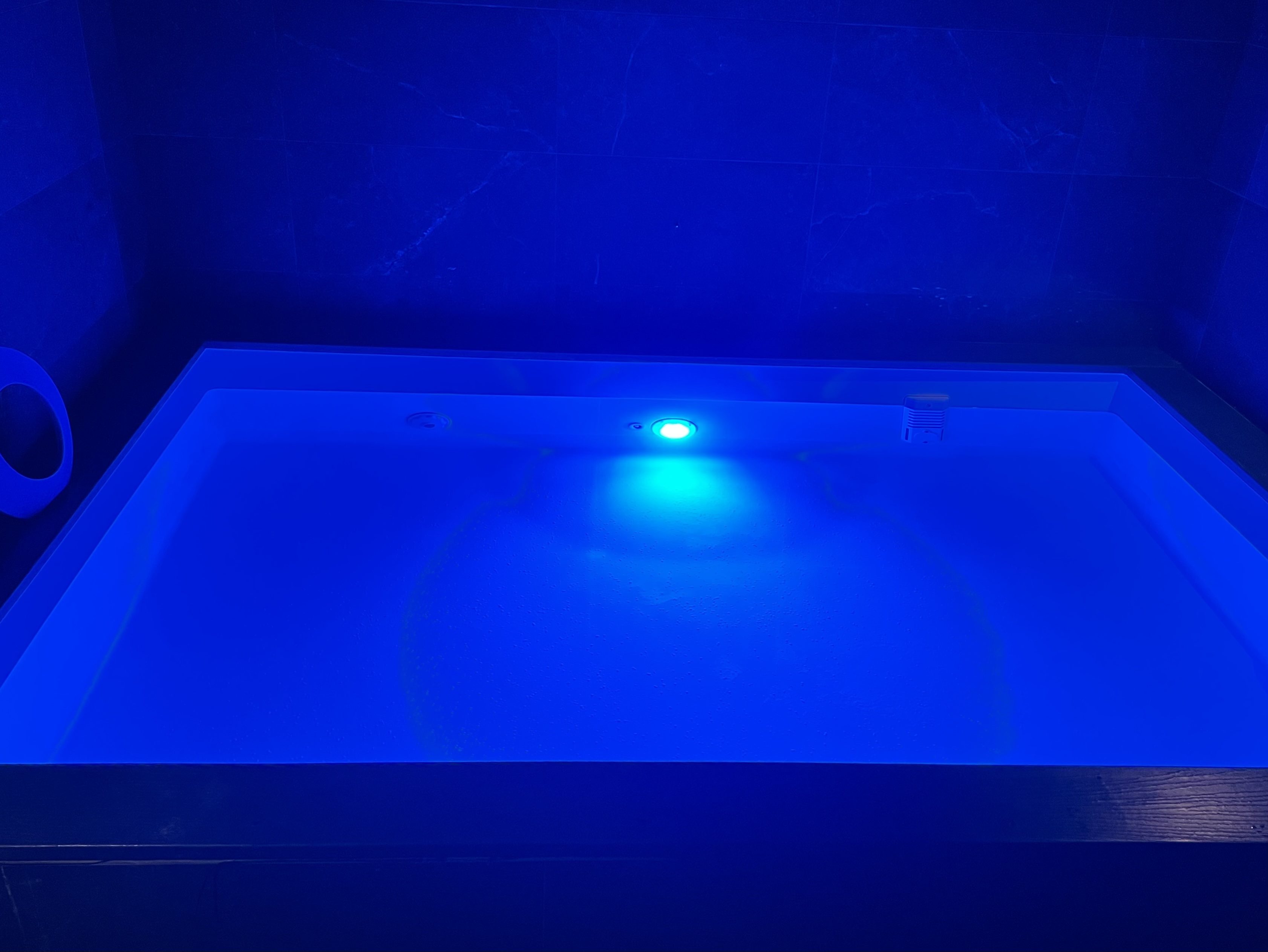
Instead of an enclosed tank, I found myself in a very spacious room with a shower on one side and a floatation pool taking up the length of the room. I was surrounded by blue light which I could turn off for complete sensory deprivation. Once showered, I stepped into the pool and immediately floated to the surface of the water. I chose not to have any music and turned off the light.

This may remind some people of solitary confinement and in a sense it was. I began a mindfulness of breathing meditation, where I counted each in and outbreath as one and then continued until I reached ten before starting at one again. I managed to focus for ten times ten breaths which roughly equates ten minutes before I lost track. I’m not sure how long I persevered with counting my breath before I fell into a deep sleep in zero-G.

Sensory deprivation is often used to reduce stress, relieve pain and help with concentration. When sensory input is minimised, it is easier to allow our parasympathetic nervous system to do its job and relax the body. It can lower the heart rate and produce a profound sense of calm. Sensory deprivation, especially when combined with high levels of magnesium sulfate (Epsom salts), can assist with muscle recovery and improved sleep quality. These are all sorely needed when we are always on the go, and my sore body sure appreciated the benefits.

A faint voice awakened me. I stirred, found the light switch and showered once more, washing the salt from my body. Heading to the lounge area, I encountered a number of slow moving, gently smiling people. After tea and a few quiet moments in the lounge, I opened the door and returned to the world outside; calm, rested, and savouring the silence within.
Mornings, Magpies and Me

Some children are up at 6 a.m. full of beans, ready to play. They wake their bleary-eyed parents with laughter, chatter and joie de vivre. I was never one of these kids. I’ve been a night owl from the day I was born.

My mornings have always been hard. Getting out of bed is hard. Jumping in and out of the shower is hard. Facing breakfast is hard. Anything beyond a grunt is hard. The only thing that isn’t hard is taking the dog for her morning walk.

Although I bitterly resent it before I go, the moment I’m out in the park the day changes. I remind myself this is worth getting up for: the cool air on my face, the well-trodden track under my feet, and the dog cantering ahead like a racehorse.

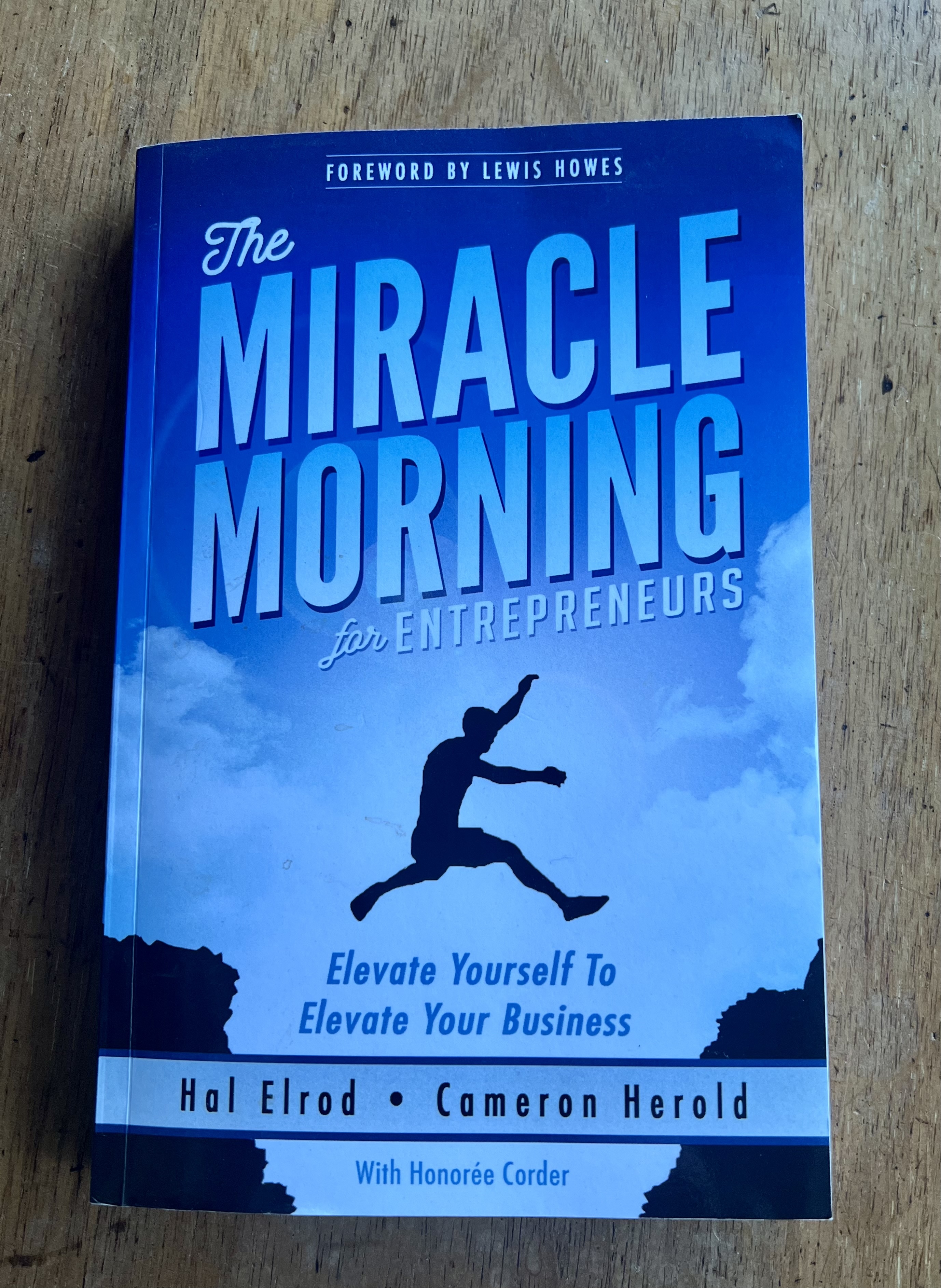
By this time, I’m smiling and have found my voice. I even enjoy meeting fellow walkers and saying hello. Yet the 45 minutes before the walk have been hellishly difficult. Why can’t I just skip the moaning and groaning and get to the good bits straight away? I’ve read The Miracle Morning, and each time I go back to it, I get all fired up about embracing the new habits it suggests. My enthusiasm, however, wilts the next morning when I actually have to put those lofty ideals into practice.

I now leave my phone in the kitchen and set my alarm so I have to get out of bed to turn it off. Great in theory. In practice, I’ve been known to yell ‘Siri, stop!’ loud enough for my phone to obey. When that hasn’t worked, the rebel in me has simply waited out the alarm with the doona pulled over my head. I can be ridiculously obstinate about getting up.

I’ve tried Mel Robbins’ five-second rule, but if you’re not committed, you won’t do it. I understand the theory (I always understand the theory) and for a while, when I’m all enthusiastic, it works. But inevitably, I slip back into bad habits.

This morning, I set my alarm 15 minutes earlier than I needed to and another for the right time. It let me hurkle-durkle for a while, letting thoughts amble lazily through my mind. With enormous effort, I stumbled out of bed and into the shower. Only when the warm water trickles down my face do I truly wake up. Until then, I’m a zombie condemning everything that crosses my path to hell and damnation.

I’ve always admired people who wake up ready to face the day. The world seems built for morning people. Life would be so much easier if I fell into line. But today, I’ve had a small win. I was out the door 20 minutes earlier than usual, and it made a huge difference. The dog had a much longer walk and I wasn’t in a hurry to get back. So instead of rushing, I enjoyed the magpies warbling and spotted a kookaburra perched on the overhead wire. I’d have missed this beautiful kingfisher on any other day. If every morning started with a kookaburra, I might stop arguing with my alarm. Might.