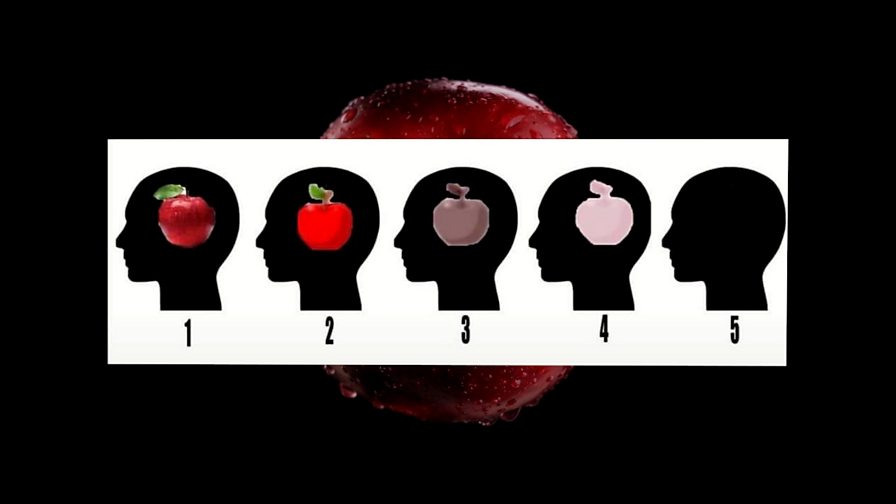
Aphantasia is a pleasant-sounding condition except that it isn’t. It refers to the inability to make mental images. If you close your eyes and can picture your bedroom, you are part of the 98% of the population who can create mental images at will. I belong to the other two percent.
When I close my eyes, I see black. I am unable to call to mind my daughter’s face, my house or even what I am wearing. This also feeds into my inability to recognise faces, especially of people I don’t know very well. I make up for it by smiling and never using people’s names. I have had many a conversation with people who clearly know a lot about me while I remember nothing about them.
Professor Adam Zeman who coined the term aphantasia, described it as a “fascinating variation in human experience.” This may be true for an academic looking in dispassionately, but it isn’t how I feel about it. I experience it as a loss; a door shut to a world I would love to inhabit. Imagine not being able to recall the face of your parents, people you love, loved ones who have died. Without a photograph, I am lost.
Strangely enough, I dream in technicolour, and it is the only time I can see loved ones in my mind’s eye. I do wonder why I can access images in my sleep but not when I am awake. I even will myself to dream about a lover I miss, just to see his face once more. It never works. My subconscious is random access only.
I first realised I had no mental images when a friend at high school showed me a piece of art she had created. I couldn’t work it out. ‘This is what I imagine the inside of my mouth looks like when I am kissing,’ she ventured. ‘What do you mean?’ I asked, confounded. She patiently explained the range of images that went through her head, while I saw nothing but black.
In my twenties I went to ‘relaxation classes’. I became increasingly frustrated when the instructor said, ‘Close your eyes. Now imagine walking along a sandy beach. Waves are gently lapping at your feet and there is a cool breeze caressing your face.’ While I love beaches, I can’t form an image of the sea, nor can I hear seagulls or feel the sand under my toes. These exercises served only to make me feel frustrated and tense – not the intended outcome of the class! When I tried to explain my problem, I was told to try harder. That’s like telling a blind person to look more carefully next time.
Aphantasia does have its funny moments though. Once I called home for a recipe I wanted to pass on to a friend. ‘It is in the red ring binder on the right-hand side of the page’, I said confidently. It wasn’t. The folder was blue, and recipe wasn’t where I thought it was. Then there are times when people ask me to describe what something looked like. I just stare blankly, and they inevitably get frustrated with what they perceive is my lack of attention. I sincerely hope I will never be called up as a witness in a court of law.
Since my memory has no pictures at all; everything is stored in words. I am always amused when people tell me that my writing is vivid and that they can see exactly what I am describing. I wish I could. For me, words evoke feelings and that is what I get out of reading a descriptive passage or a well-written novel. I have no idea what the character may look like but I am invested in their personality or how they react to situations. Sadly, I forget a lot of what I have read but I always remember the feeling I had when reading the book.
As it is with many long-term conditions, the brain learns to compensate. Mine has allowed me to gain a rich vocabulary to make up for my non-existent visual memory. I love words, playing with them and rolling their sounds around in my mouth. I will search endlessly for an appropriate synonym, checking nuances before choosing the right phrase, for I paint pictures with words for others to see. I just wish, for once, I too could have access to this miracle of the mind.
 From Quill to Quote